

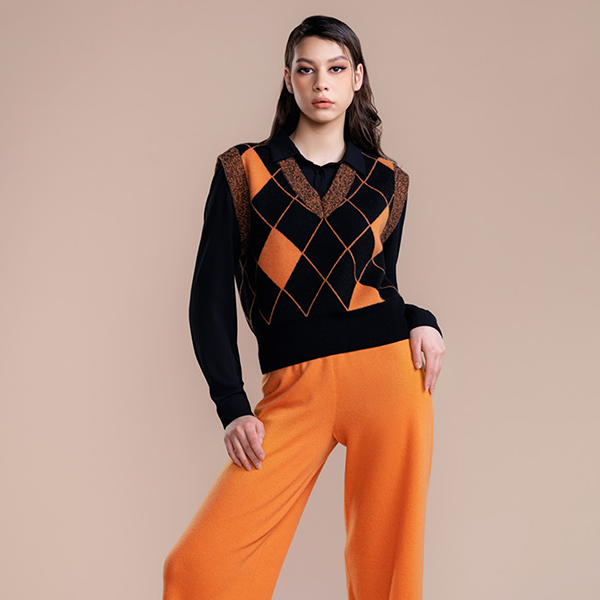
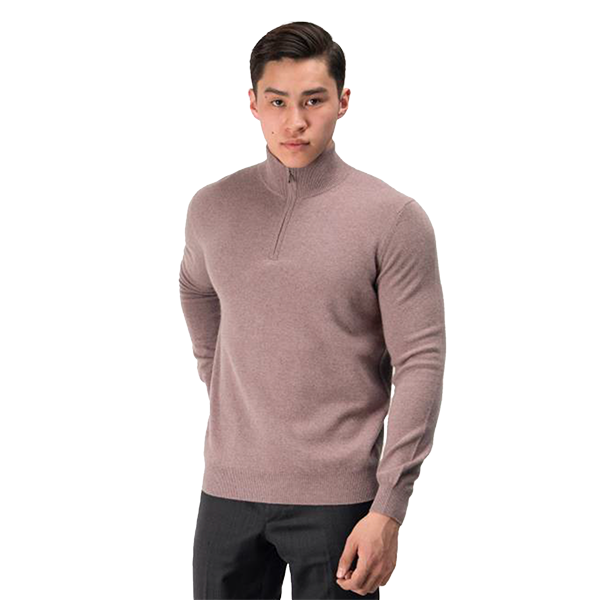
You can style authentic cashmere sweaters for winter weddings, brunches, dates, and parties. If you’re unsure about what to wear under your cashmere sweater, here are five different looks that you can try out this season.
Cashmere sweaters can be styled in a bunch of ways for casual brunches or formal lunch outings with friends or family. Pick a pair of trendy high-waisted jeans and tuck in a ribbed cashmere sweater to create the appearance of a cinched waist. Throw on a comfy pair of kitten heels or chunky loafers. Finish the look with some dainty jewelry, chunky sunglasses, and a spacious tote bag.
A chic cashmere sweater can enhance your outfits for holiday gatherings or New Year’s parties. Style your sweater with a pair of faux leather pants, and tie your hair up into a sleek bun. Add some high- heeled boots or your favorite glittery pumps. Complete the look with a statement clutch or a cross-body bag to go hands-free. Wearing large hoop earrings or a bold necklace would be the perfect finishing touch.
If you're wondering what to wear under your cashmere sweater for date night, here are a few options that are cozy yet elegant. Create a sweet date night outfit with an oversized cashmere sweater worn over a fitted long dress or a midi skirt. Throw on a pair of heels or ballet flats and carry a cute purse. Add some matching delicate earrings to complete the outfit.

You can easily style a comfortable yet polished outfit for work with a cashmere sweater. Wear your cashmere sweater and a crisp white shirt with some tailored pants. Let the collars of the shirt peek out above the sweater. Pair this with some heels or solid loafers, and you’re good to go!
While our cashmere sweaters are luxurious, they can even be styled for everyday wear to elevate simple ensembles. Here’s how to wear a cashmere sweater for a busy day of appointments and grocery shopping. Because if you’re spending your day running errands, you may as well do it in style.
Throw on our long ribbed cardigan coat over a pair of solid black tights and a light cashmere sweater for a comfortable outfit. Pair this with some open-toed sandals or your favorite sneakers to go get your nails done, for dentist appointments, or for post office visits.
These are just a few fun ways to wear cashmere sweaters for an elevated look. Follow us on Instagram for more inspiration on styling premium cashmere clothing for all occasions.
As Valentine's Day approaches, the search for that perfect gift for our significant other begins anew. We all desire something unique, meaningful, and enduring to express our love. At Mongolian Gallery, we offer a diverse selection of over 20 distinct Mongolian brands, ranging from luxurious cashmere to exquisite leather and one-of-a-kind handmade pieces. What sets our brands apart is their commitment to sustainability and traceability, ensuring that each beautiful product comes with a story of ethical craftsmanship. This year, surprise your beloved with a one-of-a-kind piece from Mongolia while also supporting the thriving small and medium businesses of the region. Below, we've curated a selection of gift ideas suitable for all genders:
This Valentine's Day, go beyond the ordinary and give the gift of Mongolian craftsmanship, sustainability, and love.
Amidst the holiday rush, where shopping often becomes a race against time, there’s so many reasons to opt for small and medium businesses that transcend the act of gift-giving. These enterprises offer a unique blend of superior quality, personal attention, and an unparalleled positive impact on the small business. Join us as we tell you about the distinct advantages of supporting small and medium businesses this holiday season and discover how Mongolian Gallery amplifies these qualities through our curated collection of extraordinary, handcrafted sustainable goods.
Craftsmanship that Speaks Volumes
Small and medium businesses take pride in the quality of their offerings. With a commitment to their craftsmanship, each product becomes a testament to the dedication and expertise of the artisans behind it. With a limited scale of production, each item is crafted with meticulous attention to detail, ensuring durability and excellence. In a world where mass production often sacrifices quality, these enterprises prioritize creating items that stand the test of time.
A Symphony of Uniqueness
Small and medium businesses bring a personal touch to your shopping experience during the holiday season. Small businesses often pride themselves on offering items that are not only crafted with care but are also one-of-a-kind. Whether it’s a handmade wool animal figurine, a pair of bespoke shoes, or a luxuriously soft and warm piece of cashmere accessories and apparel, these treasures become meaningful gifts that stand out.
Economic Empowerment
When you shop small, you’re contributing to the growth of that business. Small and medium businesses are the backbone of local economies, creating job opportunities and driving innovation. Your purchase isn’t just a transaction; its an investment in the dreams and aspirations of entrepreneurs who strive to make a difference in their communities.
Introducing Mongolian Gallery: Where Small Businesses Thrive
At Mongolian Gallery, we take pride in championing the cause of small and medium businesses in Mongolia. As a female-owned company, we curated a collection of products from 20 incredible enterprises, each specializing in unique and handcrafted items. Our commitment to empowering women is reflected in our partnerships, where businesses not only provide employment but also impart valuable skills to their female workforce.
Our diverse range of products span from luxurious cashmere sourced directly from herders to handmade wool animals, leather goods, and clean skincare crafted with care. Our brands operate on a zero-waste cycle, ensuring that every purchase you make contributes to sustainability and ethical practices.
By choosing Mongolian Gallery for your holiday shopping, you're not only acquiring beautiful and meaningful gifts; you’re actively participating in a movement that uplifts and empowers communities. Join us in celebrating the spirit of the season by supporting small and medium businesses that make a positive impact on lives and the world.
Mongolian Gallery is delighted to announce our holiday sale this holiday season, as a token of our gratitude for your support. Enjoy 30% off your purchase, allowing you to bring home the magic of Mongolia at an even more affordable price. Additionally, dive into our exclusive gift set promotions, meticulously curated to add joy and meaning to your celebrations.
With Mother’s Day just around the corner, our quest for the perfect gift for Mom begins. Often, we start by searching for “unique gifts for mom” or “Mother’s Day gift ideas,” scouring multiple websites for inspiration, hoping to find that special something to order. But now that you’ve discovered us, your search can end here.
At Mongolian Gallery, we proudly offer authentic Mongolian cashmere, leather, one-of-a-kind pieces, and more. All our raw materials are sustainably sourced from the beautiful land of Mongolia, and our partner brands responsibly manufacture their products within the country. From luxurious cashmere scarves to unique one-of-a-kind items, Mongolian Gallery has curated a gift guide featuring a range of price points to honor the person who loves you unconditionally.
Now, let’s explore our carefully curated gift guide, featuring a selection of treasures that are sure to make Mom’s day truly unforgettable.
Give Mom a truly special treat this Mother’s Day with our unique soap, a rare find crafted with 100% organic ingredients like olive oil, tallow, and felted wool. Perfect for sensitive skin, this soap embodies the founder’s commitment to providing non-harmful products, inspired by her desire to care for her own children. Ler Mom indulge in the luxurious lather and gentle cleansing of this thoughtfully crafted soap, a testament to love and dedication in every bar.
Celebrate the extraordinary women in your life with the unmatched comfort and craftsmanship of our 100% wool slippers, meticulously handmade by Enkhbaigal. From processing the wool to shaping each slipper and adding the suede sole, Enkhbaigal pours her heart and expertise into every pair. Treat Mom to the luxurious warmth and personalized care she deserves with these artisanal slippers, a heartfelt gesture of appreciation for her unwavering love and support.
Celebrate Mother’s Day with these chic silk handbags, each a unique masterpiece crafted with leftover textiles, ensuring zero waste. Created by a mother and her two daughters, this family-owned business infuses love and creativity into every design, making it a thoughtful and stylish gift for the special mom in your life.
Wrap your mom in the sheer luxury of our silk cashmere shawl this Mother’s Day. Crafted from a blend of sumptuous silk and cashmere, it offers unparalleled softness and elegance. Elevate her style and express your love with this timeless accessory of understated beauty.
Treat your mom to the epitome of luxury with our Buuvee cashmere, meticulously crafted using patented technology and unparalleled softness and durability. Each garment is adorned with the prestigious OEKA-TEX certificate, ensuring it meets the highest standards of environmental and social responsibility. Give her the gift of supreme comfort and style this Mother’s Day, knowing she’ll cherish the indulgent feel and ethical craftsmanship of of these exquisite pieces.
As we commemorate International Women's Day, it's imperative to reflect on the enduring legacy of women who have shaped history and continue to make significant contributions today. From ancient civilizations to modern societies, women have played pivotal roles in various spheres of life. One such remarkable example lies in the rich tapestry of the Mongol Empire, where women wielded considerable influence alongside their male counterparts. Drawing inspiration from Jack Weatherford's enlightening book, "The Secret History of the Mongol Queens," let's delve into the legacy of women in the Mongol Empire and their continued impact in contemporary Mongolia.
In Jack Weatherford's exploration of Mongol society, we unearth a narrative that challenges conventional wisdom about the roles of women in ancient civilizations. Far from being relegated to passive roles, Mongol women were active participants in governance, diplomacy, and even warfare.
Chinggis Khan envisioned the Earth as a nurturing mother, providing sustenance and protection to all individuals. This worldview, rooted in the nomadic traditions of the Mongols, emphasized the interconnectedness of humanity with the natural world. Women, as embodiments of Mother Earth, were revered for their nurturing qualities and integral role in sustaining life.
Weatherford's work reveals that women were valued members of Mongol society, contributing their intellect and skills to the advancement of the empire. They held key administrative positions, managed estates, and provided invaluable counsel to rulers. Their competency ensured the efficient functioning of the empire's administrative machinery.
Furthermore, Weatherford highlights the significant political influence wielded by Mongol women. They played pivotal roles in forging alliances through strategic marriages, expanding the empire's influence far beyond its borders. Chinggis Khan's daughters, among others, were instrumental in cementing diplomatic ties with neighboring tribes and kingdoms.
Moreover, Weatherford sheds light on the remarkable military prowess displayed by Mongol women. Despite prevailing stereotypes, women actively participated in warfare, leading armies and contributing to military campaigns. Figures like Khutulun, renowned for her battlefield prowess, exemplify the courage and leadership displayed by Mongol women.
In contemporary Mongolia, the legacy of empowered women continues to flourish. Women are breaking barriers and making significant strides in various fields, particularly in business and politics.
At Mongolian Gallery, supporting women-owned small to medium enterprises is not just a commitment; it's a cornerstone of our ethos. We recognize the importance of empowering women entrepreneurs and are dedicated to providing them with the platform and resources they need to succeed.
One such inspiring example is Ms. Enkhbaigal, the founder of a micro-business we proudly support. Ms. Enkhbaigal specializes in crafting handmade wool slippers and animals, showcasing traditional Mongolian craftsmanship to the world. Her business has begun to flourish and she has started to export to different countries. Additionally, she teaches single mothers and expecting mothers her craft, so they are able to have their own income.
As we celebrate International Women's Day, let us honor the remarkable achievements and contributions of women across the globe. From the women who shaped the Mongol Empire to the modern-day entrepreneurs and leaders in Mongolia, their resilience, and determination inspire us all. Let us continue to champion gender equality, empower women, and build a future where every woman has the opportunity to thrive and succeed. Together, we can create a more inclusive and equitable world for all.
Situated in the vast Mongolian steppes, the Mongolian deel is a garment that has endured time. Recognized by UNESCO as an intangible heritage, this traditional Mongolian attire symbolizes cultural identity and practicality. Serving as a design marvel, the deel has been a staple in the wardrobe of Mongolian nomads for centuries, dating back to the Hunnu Empire in the 3rd century and continuing as everyday wear. While it maintains its significance for special occasions, it remains a practical choice for daily life, adapting to the nomadic lifestyle and the changing seasons while undergoing subtle changes over the years.
History of the Deel:
The origins of the deel trace back to the 3rd century Hunnu Empire, with evidence of its existence enduring through the centuries. From the 3rd century until the 13th century, there were no prescribed rules governing the types of deels worn by different individuals. However, in 1275, during Khublai Khaan's reign, a law was enacted specifying the appropriate deel for festive occasions, though the fundamental structure remained consistent.
Records from the 15th to the 17th century offer limited insights into the deel's appearance. It is suggested that during this period, the garment featured narrow sleeves, fur lining, and an outer layer crafted from golden silk adorned with various patterns.
In the 17th to the 19th century, the deel underwent influences from Manchurian and Chinese clothing. However, after Mongolia gained independence from the Manchurians in 1911, a law was implemented to revive traditional Mongolian deel. During the period of Mongolia's status as a Soviet satellite state from 1924 to 1990, the deel became primarily associated with nomads and elders. Notably, certain prominent Mongolians defiantly continued to wear the deel daily, resisting Soviet influence.
Since the 2000s, the deel has experienced a resurgence as a national symbol, proudly worn by people of all ages and backgrounds, reflecting a renewed sense of cultural pride and identity.
Occasions and Usage:
In contemporary Mongolia, nomads embrace the deel as part of their daily attire, opting for a simpler version without elaborate designs. These everyday deels are crafted from cotton, wool, or other cost-effective materials, featuring neutral colors. The material composition varies with the seasons – lightweight options like linen and cotton are favored during summers for breathability, while winter deels are often padded with cotton or lambskin to combat the harsh cold.

The deel, well-suited for the nomadic lifestyle, offers comfort for horseback riding and protection against the elements on the vast steppes. Its versatile nature extends beyond clothing, serving as a blanket, pillow, tent, and more for nomads.
While nomads incorporate deels into their daily routines, urban Mongolians reserve these traditional garments for special celebrations. Events like weddings, graduation ceremonies, the Naadam festival, and the White Moon (Lunar New Year) witness the donning of deels made from luxurious silks adorned with intricate designs and vibrant colors. These ceremonial deels, meticulously crafted by artisans, emphasize attention to detail.
The White Moon festival, particularly during Tsagaan Sar, holds a special place in Mongolian traditions. Family members gather in their new and beautiful deels to visit the eldest family member, symbolizing new beginnings, familial connections, and the welcome of a new season. Originating in 1206, this sacred tradition remains a cornerstone of Mongolian culture.
On July 10th each year, the Deeltei Mongol Festival transforms Sukhbaatar Square in Ulaanbaatar into a vibrant showcase of custom-made deels. Mongolians proudly exhibit their artisanal creations, promoting the diverse ethnic groups, rich culture, and extensive history associated with the deel. The festival serves as a testament to the enduring significance of this traditional attire.

Notably, Mongolian Ambassadors add a touch of cultural pride by wearing deels when presenting their credentials to the head of state in the countries to which they are appointed, showcasing the deel's role as a symbol of national identity on the global stage.

In the vast landscapes of Mongolia, the deel stands as more than a garment; it is a living testament to the enduring spirit of a nomadic people and the rich tapestry of their cultural heritage. From its humble origins in the 3rd century to its place in modern-day Mongolia, the deel has weathered the sands of time, adapting to changing seasons, historical influences, and the ebb and flow of societal shifts.
For the nomads traversing the steppes, the deel is not merely clothing; it is a companion, offering comfort on horseback, protection against the elements, and a versatile tool for daily life. Its simplicity in design echoes the nomadic lifestyle, blending seamlessly with the rhythm of the land.
In urban settings, the deel transforms into a symbol of celebration, donned with pride during significant life events and cultural festivals. The intricate designs and vibrant colors of ceremonial deels reflect not only the artistry of skilled craftsmen but also the collective identity and shared history of the Mongolian people.
As we explore the occasions and usage of the deel, from everyday wear to special celebrations and festivals, we witness the threads that connect Mongolians across time and space. The White Moon festival, the Deeltei Mongol Festival, and the diplomatic presentations by Mongolian Ambassadors all underscore the enduring relevance and cultural significance of the deel.
In every stitch, every button, and every thread of the deel, there echoes a story – a story of resilience, tradition, and the unyielding spirit of a people tethered to the land they call home. In celebrating the deel, we celebrate more than a garment; we honor a living heritage that continues to thrive and evolve, encapsulating the very essence of Mongolia's cultural identity.
Design and Features:
The traditional Mongolian deel comprises four essential components: the hat, deel (gown), long sash, and boots. Among these, the traditional Mongolian headwear holds a distinctive place as a crucial element of the national dress. The style of the headdress varies based on factors such as gender, age, ethnicity, season, and celebratory occasions, offering over 100 unique designs, each laden with symbolic meanings. Notably, Mongolian nomads often avoid being bareheaded, safeguarding their heads against the elements, whether it be the scorching sun or the biting winter cold.
The deel itself is a loose calf-length gown featuring long sleeves, a high collar, and buttons fastening on the right shoulder. Secured with a vibrant, several-meter-long sash, the deel is reminiscent of a robe, wrapped to the left side and buttoned on the right at the collar, shoulders, and hip. This design effectively shields against wind, ensuring warmth, particularly advantageous for those on horseback. The belting serves a dual purpose, minimizing impact and vibrations on internal organs during horse riding.
Sleeve length varies, with longer sleeves providing protection against harsh weather and serving as a shield for hands during daily tasks. The significance of the buttons goes beyond mere fastening; they are hand-knotted by the maker with careful considerations. A fully knotted button symbolizes prosperity and wealth, while a hollow one represents emptiness or poverty.
Delving into finer details, the underarm part of the chest pocket is constructed with three layers, symbolizing impenetrable doors of a vault, with the button serving as the lock. Button placement is meticulous, considering the wearer's height, neck length, and overall body features for aesthetic appeal.
The deel's belt, ranging from 2 to 5 meters in length based on gender, adds a splash of color. Men's belts, often yellow or orange, are longer, while women's belts, typically yellow or green, are slightly shorter. Modern variations may see diverse colors and alternatives to the traditional long cloth belt.
As for the boots, an integral part of Mongolian attire, they are crafted for riders, constructed from leather with a curled-up toe. Winter boots, lined with felt, ensure warmth and prevent slipping on icy terrains. While designs may vary among ethnic tribes, the deel's overall silhouette remains a constant. In the following sections, we'll explore three distinct variations of the deel based on different ethnic backgrounds.
The Khalkh people, constituting over 80% of Mongolia's population, hold a pivotal place in the country's ethnic landscape. Rooted along the Kherlen, Onon, and Tuul Rivers, ancestral lands where the Mongolian Empire emerged in the 13th century, the Khalkh Mongolians trace their lineage to Batmunkh Dayan Khaan, a descendant of Chinggis Khaan. Drawn together in the 1500s by Batmunkh Dayan Khaan, the Khalkha Tumen people gathered Mongols from central Mongolia and the northern part of Inner Mongolia, shaping a distinct ethnic identity.
The Khalkh men's hat emerges as a notable cultural emblem, its symbolism deeply rooted. Featuring a tall, sharp cone reminiscent of Sumber Mountain, the hat serves practicality by breaking the wind during spirited horseback rides. The 32 vertical stripes hold symbolic significance, representing the 32 Mongolian individuals residing around a sacred mountain. The red button atop signifies the radiant sun shining upon them, while the black flap represents potential adversaries surrounding Mongolia. The red veil cutting through the back symbolizes triumph over these adversaries, embodying the strength and joy of the Mongolian people. This hat, laden with profound symbolism, commands utmost respect among the Khalkh. Variations like the "Loovuuz" for winter and the "Toorstog" for women in summer showcase diversity in design, incorporating earmuffs, pointy tops, and materials ranging from lambskin to fox fur, mink, and goat kid's skin.
Khalkh men's deel, in contrast, follows a simpler design, consisting of two parts - an inner deel and an outer one.
For married Khalkh women, the deel takes on an elaborate form with long, colorful sleeves crafted from silk and featuring high, pointy shoulders traditionally filled with materials like camel wool, felt, and feather grass. The outer deel, known as "Uuj," boasts slits on both sides, available in two variations - one with sleeves and another without. Both are adorned with beautifully embroidered, colorful borders. In winter, both men and women opt for fur and animal skin deels.
A distinctive feature among Khalkh women is the head ornament, bedecked with precious stones and silver, weighing an impressive 5 to 6 kilograms, adding a touch of grandeur to their cultural attire.
The Torguud, a tightly-knit ethnic community of around 15,000 individuals, predominantly resides in Bulgan town within Khovd, the westernmost region of Mongolia. Tracing their roots to the 14th century, the Torguud clan originated as a specialized group responsible for the internal security of the Mongolian Empire, established by King Van of the Khereid clan. Over the centuries, the Torguud have evolved, cultivating a distinct identity and culture, now recognized as a unique ethnic group in Mongolia.
The traditional attire of Torguud men has withstood the test of time, remaining largely unchanged. In winter, Torguud men don a winter deel featuring a reversible collar with black corners and delicate embroidery known as "Tojoo." The deel showcases a square frame on the hip with black threads and a couple of horizontal lines, each two fingers wide. Lambskin deels with long sleeves provide warmth in colder months, while lighter deels with similar decorations in blue, white, and beige hues are favored during the summer.
Torguud men's hats, known as "Khalvan," boast distinctive characteristics. Winter hats include a nubbin on the top with threads, straps for tying under their chins, and a long red strip reaching down to their waists. For children and young individuals, lambskin hats called "Jatag" are preferred during winter, featuring a blue square top, a four-cornered red nubbin, earmuffs, and unique decorative elements symbolizing the four Oirad tribes. Historical adornments include a silver earring in the left ear and a sizable decorative ring on their fingers.
On special occasions, Torguud women don a ceremonial outer jacket called "Tsegdeg," paired with a lighter inner deel known as "Lavshig," often crafted from silk in shades of blue, navy, black, and green. The inner collar, originally a full cape, has transformed into a smaller decoration symbolizing protection from father sky. The color white, revered as "Gylaan," holds significance for the Torguud people.
Completing the ensemble is the woman's round hat, "Toortsog," adorned with pearls, corals, and intricate patterns. A round pattern with a moon-shaped coin, known as Zendmen, decorates the front, crafted from silver for good fortune. The hat's top features a coral button, red tassels, a black silk body, and a golden wrap with a red rim, with the quantity of coral reflecting the owner's richness. Married Torguud women also wear special hair ornaments with silver decorations, colorful patterns, and corals, reminiscent of times when silver chokers adorned their necks.
The Buryat, the largest subgroup in northern Mongolia, comprises around 46,000 individuals in present-day Mongolia. Referred to as forest people in the Mongolian Secret History, the Buryat have a rich history intertwined with Mongolians, engaging in activities like hunting and herding livestock in the Siberian forests. Originating from ancient clans – the Horid, Tumed, and Barguud – along the southern shore of Baikal Lake, they predominantly reside in houses and sustain themselves through hunting, cattle-raising, and cultivating basic crops.
A Buryat man's deel exhibits intricate details resonating with spiritual significance. The front flap, adorned with a sharp corner, features three brightly colored stripes symbolizing the highest, lowest, and middle sky spirits. The two fundamental colors, red and black, are essential, representing the historical struggles and pain endured by the Buryat people. The third stripe's color varies based on the owner's gender and age.
The Buryat hat is a canvas of cultural richness, with 11 vertical, quilted stripes representing the 11 clans of the Buriat tribe, including Tsagaan khul, Hargana, and Bodonguud. Each clan has its own god and unique religious practices, weaving a tapestry of diversity within the tribe. The hat, longer at the front than the back, features extendable flaps for colder weather. Some Buryat hats showcase embroidered patterns resembling mountains, suns, and flames, with a distinctive button and red tassels adorning the top. Variations include fur hats with ear-muffs and a unique high-top hat.
Distinctive elements grace the Buriat women's deel, notably the wide elbow detail crafted from colorful silk. The outer deel, known as Uuj, boasts a back slit starting where the fold concludes, complemented by a rear fold of fabric made from different-colored silk.
For married women, the deel consists of several pre-cut pieces, including sections for the front, back, chest, midriff, and skirt. While the top flap borders remain thin, the inner and outer edges of the skirt are crafted from thick, dark material. The back of the shoulders features three folds, with a single button sewn onto the collar, another under the arm, and two on the front for secure fastening. Cotton typically forms the back of the skirt and the chest of the deel, while the front of the skirt boasts the luxurious touch of silk.
Over the past few years, a noticeable shift has occurred in the world of self-care. The popularity of organic products has surged due to consumers becoming increasingly conscientious about the impact of their choices on both the environment and their own bodies. Organic skincare, in particular, stands out for its steadfast dedication to ingredients that are free from pesticides and other potentially harmful agents.
Sustainable products not only prioritize what goes into the formula but also how the products are packaged. From eucalyptus to rosehip, these products incorporate renewable materials, and their packaging is designed to be recyclable. This dual focus on ingredients and environmental impact makes organic and sustainable skincare an irresistible choice.
|
Benefits of Organic Skincare:
|
Why We Promote Organic Skincare & Haircare:
|
As for our partner brand, Helen Botanical Beauty, a Mongolian-owned female-led business, has made a significant impact in the realm of clean skincare. Their CEO, B. Bayasgalan, initially started by handcrafting soap bars and body butters using raw materials found commonly in Mongolia like seabuckthorn, thyme oil, and sheep tail fat in her kitchen. Her work started with a passion to provide her kids with the cleanest and most nourishing products. Over time, the company has grown into a small manufacturing hub and employs single and expecting mothers, providing them with a sustainable source of income.
Helen Botanical Beauty’s unmatched element is one of their main ingredient, seabuckthorn, which is often referred to as the "king fruit." What makes this fruit truly extraordinary is its ability to thrive in the harshest of conditions, enduring temperatures as low as -40 degrees Celsius while remaining drought and salt-tolerant. What sets it apart is its unique composition – it's one of the few plant foods that naturally are packed with protein, vitamin C, and vitamin E, and provide all four omega fatty acids. It boasts eight times more vitamin C than an orange and ranks as the third-highest source of vitamin E among all plants. With its high palmitoleic acid content, akin to human skin fat, seabuckthorn accelerates wound healing from damages caused by heat, chemicals, or radiation, and it's a go-to remedy for those dealing with eczema while keeping the skin healthy and supple. Seabuckthorn truly earns its royal moniker, not just for its resilience in challenging environments. Check out all of their seabuckthorn-rich products here.
Notably, their handmade shampoo and conditioner bars have earned a remarkable reputation in Mongolia, frequently ranking among the top-selling hair care products. A standout favorite, their seabuckthorn shampoo bar, offers a versatile solution for all hair types while excelling at rejuvenating damaged hair. Abundant in essential vitamins and amino acids, seabuckthorn breathes life into your locks, fortifying strands and defending them against environmental stressors. The high concentration of vitamin E and protein in seabuckthorn contributes to vibrant, lustrous hair, eliminating dullness and frizz while forming a protective shield around each strand. Beyond the visual transformation, it fosters a healthier scalp and encourages increased hair growth. Complementing this, their conditioner bars, thoughtfully concocted with enriching ingredients such as coconut oil and vitamin E, work in harmony to soften and lock in essential nourishment, ensuring your hair maintains a silky, well-nourished appearance, radiating vitality and health.
Additional Reasons to Try the Shampoo Bar:
The organic skincare revolution is in full swing, offering not only improved skincare but also a chance to make a positive impact on the environment. Making the switch to organic and sustainable skincare is a choice that supports both your well-being and the planet. So, why not embark on this eco-friendly, skin-loving journey today? Your skin and Mother Earth will thank you.
Father’s Day is quickly approaching, and many of us are searching for a meaningful and lasting gift for our dads. When choosing a gift, consider his interests: Is he someone who loves nature, a writer, or a well-dressed gentleman? Or perhaps you can surprise him with something unexpected, like a beautiful light cashmere sweater that can be worn in all four seasons. To help you find the perfect gift, we’ve curated a comprehensive guide so you don't have to stress about it.
 |
We offer a variety of wool socks made from 100% sheep wool, camel wool, and yak wool. These socks are ideal for dads who enjoy hiking and camping on weekends because they are moisture-wicking and breathable. Additionally, in cold climates, these socks will keep feet warm and cozy. Besides outdoor adventures, they can also be worn during the winter season inside any type of shoe. |
 |
Our 100% felted wool slippers are handmade and automatically mold to any foot, making them unrivaled in comfort. These slippers are breathable and moisture-wicking, suitable for every season. Each pair is unique, just like the father you're gifting them to. |
 |
Upgrade your dad’s wardrobe with our 100% genuine leather belt, ethically sourced and handmade by microbusinesses in Mongolia. Available in brown, dark brown, and black, this belt is perfect for almost any outfit and will last for years.
|
 |
Gift your father a beautiful leather notebook that is both timeless and practical. This notebook will never run out of space because you can refill the pages once it's full, allowing your dad to continue using it for years to come. The outer cover is made from 100% genuine leather, ethically sourced and handcrafted by skilled artisans in Mongolia. Its durability ensures it will withstand the test of time, while the elegant design adds a touch of sophistication to his writing experience. |
 |
For dads who go to the office daily, our genuine leather briefcase is the perfect gift. Ethically sourced and manufactured in Mongolia, this briefcase is designed to fit a laptop, essential documents, and other small necessities. Its sleek design ensures your dad will carry it with pride and remember you every day while at work. |
 |
What father doesn’t appreciate a soft cashmere sweater? At Mongolian Gallery, we carry Buuvee Cashmere, made with patented cashmere yarn that makes the sweater light and warm. Perfect for cold winter days and chilly summer evenings, it can be worn in all four seasons. The sweater has an OEKO-TEX certificate, ensuring it won't cause any health problems, having been tested against 350 chemicals. This present will provide your father with comfort and style for many years to come. |
Mongolia, often recognized for its historic empire and renowned horses, holds a hidden gem in its thriving cashmere industry. As the world's second-largest supplier of cashmere after China, Mongolia boasts ethical sourcing practices and significant production capacity, shedding light on its lesser-known economic contributions.
Central to Mongolia's cashmere industry is its nomadic herding culture, a tradition passed down through generations. With approximately 59.5 million livestock, including 22 million goats, Mongolia's nomads maintain a delicate balance between sustainability and livelihood. These animals graze freely on native grasses, promoting their well-being and natural behavior. This approach to livestock management ensures ethical treatment while supporting the animals’ health and contentment.
The prized Mongolian luxury fiber originates from the Capri hircus goat breed, adapted to withstand the harsh Mongolian winters with a protective undercoat used and is used to produce the finest cashmere. Each spring, herders delicately comb out this undercoat, yielding approximately 9,300 tonnes of cashmere annually.
Cashmere is celebrated not only for its warmth and luxurious feel but also for its eco-friendly and biodegradable nature, making it a renewable resource. However, it's crucial to recognize that the treatment process, including the use of toxic chemicals, dyes, and blending with synthetic fibers, can compromise its biodegradability. While cashmere itself holds sustainable potential, it's imperative to ensure that production processes align with environmental stewardship principles to fully realize its benefits.
However, the recent surge in global demand for cashmere, propelled by companies offering poor quality cashmere blends, and pure cashmere products under $100, has accelerated the process of land degradation and desertification due to herders overbreeding their goats to meet the demand. This alarming trend has intensified concerns about environmental destruction. Overgrazing, exacerbated by climate change-induced extreme weather events, depletes the grasslands, threatening desertification. The limited pastureland available necessitates innovative solutions to preserve Mongolia's fragile ecosystem.
In response to growing environmental concerns, many fast fashion companies have sought to greenwash their products by claiming they use 100% Mongolian cashmere. This marketing tactic aims to convey an image of sustainability and ethical sourcing. However, the reality is far more complex. The rapid expansion of cashmere production has put immense pressure on Mongolia's fragile ecosystem, leading to overgrazing, land degradation, and desertification. Despite claims of using Mongolian cashmere, these companies often overlook the detrimental environmental impact of their supply chain practices. As demand for cheap cashmere continues to rise, urgent action is needed to address the sustainability challenges facing the cashmere industry and protect Mongolia's precious grasslands.
In response, Mongolian National Federation of Pasture User Group has initiated the Responsible Nomad Code of Conduct, promoting sustainable pasture management through collaboration with the Green Gold Animal Health Project of the Swiss Agency for Development and Cooperation. The code of conduct emphasizes sustainable pasture management practices and promotes collaboration between stakeholders to ensure the environmental health and socio-economic well-being of Mongolia’s nomadic herding communities.
Furthermore, certification by organizations like the Sustainable Fibre Alliance (SFA) verifies that the cashmere production process adheres to rigorous sustainability standards, ensuring responsible environmental practices and ethical treatment of animals. Similarly, the Mongolian Noble Fibre certificate signifies that the cashmere originates from Mongolia and meets high-quality standards, promoting transparency and authenticity in the cashmere supply chain.
Additionally, our partner cashmere brands hold certifications from both SFA and Mongolian Noble Fibre, ensuring they adhere to stringent sustainability standards throughout production. Furthermore, our Hunnu leather brand is committed to ethical practices and collaborates with Responsible Nomad to uphold responsible nomadic herding practices, thereby fostering environmental conservation and the well-being of local communities.
Additionally, our partner cashmere brands hold certifications from both SFA and Mongolian Noble Fibre, ensuring they adhere to stringent sustainability standards throughout production. Furthermore, our Hunnu Fashion leather brand is committed to ethical practices and collaborates with Responsible Nomad to uphold responsible nomadic herding practices, thereby fostering environmental conservation and the well-being of local communities. At Mongolian Gallery, our foremost objective is not only to collaborate with women-owned, small businesses but also to align with companies prioritizing environmental sustainability and advocating for ethical, eco-friendly practices across their operations. This commitment pushes the boundaries of corporate social responsibility, aiming to address the industry's imminent challenges. Our collaboration with the Mongolian National Federation of Pasture User Groups and the Mongolian Society for Rangeland Management reflects our aspiration to assist these local organizations in achieving their objectives and tackling the environmental and ecological challenges confronting Mongolia's grasslands.
Beyond governmental and private sector efforts, other grassroots initiatives in Mongolia such as Airee Felt and MonPellets offer promising solutions. Airee utilizes leftover wool to create biodegradable air filters, addressing air pollution while nourishing the land upon disposal. Similarly, MonPellets transforms wool remnants into organic fertilizer pellets, promoting soil regeneration without chemicals or water consumption.
In conclusion, Mongolia's cashmere industry epitomizes a harmonious blend of tradition, innovation, and sustainability. By embracing ethical practices, supporting environmental NGO’s, and leveraging local resources, Mongolia paves the way for a greener future while preserving its rich cultural heritage. Through collective action and continued collaboration of customers, businesses, herders, and community organizations, we can overcome the challenges of land degradation and emerge as a global beacon of sustainable development.
Nestled in the heart of Mongolia, the resilient sea buckthorn stands as a testament to nature's ability to endure and nourish. Thriving in the harshest conditions, this indigenous fruit has been a source of sustenance for both the land and its people for centuries. Resistant to the extremes of dryness, cold, salt, alkali, and barren landscapes, sea buckthorn is a remarkable shrub that can endure temperatures ranging from a scorching 40°C (104°F) to a bone-chilling -40°C (-40°F), making it well-suited for Mongolia's challenging climate. Beyond its adaptability, the plant boasts an extensive root system, making it a natural ally in the battle against soil erosion.
In the face of environmental challenges, Mongolia is grappling with desertification triggered by factors such as climate change, deforestation, poorly planned road networks, and mining. The consequences are stark, with crucial water bodies like the Onggi River and Lake Ulaan, vital components of the Gobi desert's ecological balance, dwindling rapidly. The Onggi River, once spanning 470 kilometers, has now shrunk to a mere 100 kilometers. Recognizing the urgency of the situation, local Mongolian communities took matters into their own hands in 2004 by planting sea buckthorn along the Onggi River's banks. The result? Water from the Onggi River now flows into Lake Ulaan, marking a positive shift in a region combating soil erosion and desertification. Not only does this remarkable plant play an important role in helping address soil erosion, but it also serves multiple purposes, including culinary uses and remedies for certain ailments.
Tracing its roots back to the 12th century AD, sea buckthorn holds a significant place in Mongolian culture. Referred to as "the emperor's painstaking efforts," it was considered sacred for both medical treatment and as a staple food. The fruit was transformed into wine, syrups, and remedies for lung and throat ailments, effectively combating phlegm and coughs. Its high content of vitamin C and E makes seabuckthorn a powerhouse for promoting skin healing, while the oil, rich in omega-3 and omega-6 fatty acids, aids in healing and collagen turnover.
Mongolians, attuned to nature's gifts, have traditionally consumed sea buckthorn tea during colder seasons, fortifying their immune systems against the impending harsh winter. When illness strikes, a mixture of sea buckthorn syrup and hot water becomes a healing elixir, clearing coughs and phlegm and accelerating recovery.
In a modern twist, skincare companies have recognized the unparalleled benefits of sea buckthorn. Brands like our partner, Helen Botanical Beauty, have integrated this natural gem into their self-care routine, offering a range that includes body oil, hand balm, lip balm, dry shampoo, and more. Customers who have experienced the wonders of sea buckthorn-infused body oil have eagerly returned for more, testament to the fruit's transformative impact on skincare.
In conclusion, the story of sea buckthorn in Mongolia is one of resilience, adaptability, and a harmonious relationship between nature and its stewards. From combating environmental challenges to serving as a timeless remedy in Mongolian traditions, sea buckthorn continues to weave its rich tapestry, connecting the past with the present and offering hope for a sustainable future. As we celebrate the enduring legacy of this remarkable fruit, let it serve as a reminder of our collective responsibility to preserve and cherish the gifts that nature bestows upon us.
The holiday season isn’t just about giving gifts—it’s about sharing moments of warmth, love, and meaning with the people who matter most. At Mongolian Gallery, we believe that the best gifts tell a story, carry a legacy, and bring joy long after they’re unwrapped. That’s why this Black Friday, we’re inviting you to explore a collection of timeless treasures—each piece meticulously crafted in Mongolia by women owned, micro and small businesses with the utmost care for both quality and sustainability.
Imagine giving a gift that not only delights today but also becomes a cherished keepsake for years to come. From the unparalleled softness of our cashmere apparel to the artistry of our leather accessories, each item in our collection celebrates craftsmanship, tradition, and conscious living. Whether you’re searching for a thoughtful token of appreciation or a statement piece to remember, our handpicked selection is here to make this holiday season truly unforgettable.
Let’s explore some of the standout pieces in our collection that will elevate your holiday gifting and make every moment special.
 |
Cashmere Socks - Tod Oims Elevate your winter essentials with our 100% cashmere socks, the epitome of cozy luxury. Perfect for the colder seasons, these socks envelop your feet in cloud-like softness, offering unmatched comfort and warmth. The gift of cashmere socks is a timeless gesture of thoughtful indulgence that anyone would adore. After all, there’s no such thing as too many cashmere socks, especially when they combine elegance and everyday practicality. Treat your loved ones (or yourself) to the ultimate in warmth and sophistication this season. |
 |
Leather Slippers - Chic Leather For the person who deserves an upgrade from the ordinary, our Chic leather slippers are the ultimate blend of sophistication and comfort. Crafted from genuine, sustainably sourced Mongolian leather, these slippers effortlessly combine timeless elegance with durability. Designed for both indoor and outdoor wear, they bring unparalleled style to any setting—whether you’re lounging at home or stepping out. Why settle for anything less when even the simplest moments can feel luxurious? Elevate the art of relaxation with our Chic leather slippers, where comfort meets refined craftsmanship. |
 |
Personalized Jewelry- Marmol Necklaces Discover the timeless elegance of Marmol necklaces, crafted with exquisite freshwater pearls sourced from the heart of Florence, Italy, and crafted in Mongolia. These bespoke pieces offer a unique touch, featuring your initial for a truly personal and meaningful accessory. Perfect for everyday wear, a Marmol necklace combines the understated sophistication of pearls with a sentiment that’s uniquely yours. It’s more than just jewelry—it’s a statement of individuality and grace. |
 |
Balaclava Cashmere Hat by SD This season’s ultimate trend in winter accessorizing is here: our luxurious 100% cashmere balaclava. Effortlessly combining warmth and style, this piece elevates your cold-weather wardrobe with unparalleled softness and sophistication. Perfect as a thoughtful gift or a chic addition to your own collection, it offers both practicality and elegance for those who refuse to compromise on either. Stay cozy, stay stylish—our cashmere balaclava ensures you’re covered in every sense. |
 |
Pure Cashmere and Wool Blankets There’s nothing better than curling up with a blanket, a warm drink in hand, and your favorite show as the temperatures drop. Now, elevate that cozy moment with one of our 100% cashmere or wool blankets—a timeless indulgence designed to last for years. These blankets are more than just an accessory; they’re a statement of enduring quality and comfort. Destined to become a cherished family staple, they might even evolve into an heirloom, treasured for generations.
|
 |
Maral Genuine Leather Bags While trends may come and go, our Maral leather bags are a testament to enduring sophistication and craftsmanship. Expertly crafted in Mongolia from genuine Mongolian leather, these bags are as unique as they are timeless—an accessory that stands apart in a sea of the ordinary. |
Mongolian Gallery is more than just a boutique; it’s as a portal into the heart of Mongolia, showcasing the artistry and sustainability of women-owned businesses. Each piece within our New York City store is a testament to centuries-old traditions and a commitment to ethical practices.
At the core of our philosophy is a deep respect for the Mongolian landscape and its inhabitants. Our cashmere and leather brands collaborate directly with nomadic herders, preserving their time-honored way of life while creating exceptional products. This symbiotic relationship fosters a circular economy where resources are maximized, and waste is minimized.
Cashmere, often referred to as the "fiber of kings," is a truly exceptional material renowned for its softness, warmth, and durability. Our cashmere collection is sourced directly from the heart of Mongolia, where nomadic herders have perfected the art of cashmere production for centuries.
The cashmere fiber is harvested during the spring when goats naturally shed their undercoat to adapt to warmer temperatures. Nomadic herders gently hand-comb the goats, collecting the precious fibers without causing any harm to the animals. This time-honored practice ensures that the cashmere is obtained in the most humane and sustainable way possible.
Once collected, the cashmere undergoes a meticulous process of cleaning, sorting, and spinning to create the fine yarn that forms the basis of our luxurious garments. The entire manufacturing process takes place in Mongolia, providing employment opportunities for local communities. To maintain exclusivity, our partner brands produce cashmere garments in small batches, making each piece a limited edition treasure.
Cashmere is not only a symbol of luxury but also a remarkably sustainable fiber. Cashmere goats thrive in the harsh Mongolian climate, requiring minimal resources and contributing to the ecological balance of the region. Moreover, the long lifespan of cashmere garments reduces the need for frequent replacements, minimizing fashion waste, and thanks to the organic nature of the fiber pure cashmere are 100% biodegradable.
Wool, a natural fiber prized for its insulating properties and durability, forms the backbone of Mongolian herders' traditional attire. Our wool collection is meticulously sourced from the same nomadic communities that provide our cashmere and leather.
Like cashmere, wool is harvested in a humane and sustainable manner. Sheep, yaks and camels naturally shed their wool during the warmer months, and herders gently collect it without causing discomfort to the animals. This process ensures that the wool maintains its natural lanolin, a protective oil that contributes to the fiber's exceptional resilience.
Our wool undergoes a gentle cleaning process to preserve its natural qualities. Skilled artisans then transform the raw wool into a variety of yarns, from fine and soft to thick and robust. This versatility allows us to create a diverse range of wool products, from cozy sweaters to durable outerwear.
Beyond its warmth and comfort, wool is a remarkably sustainable fiber. Sheep and yak are well-adapted to the Mongolian climate, requiring minimal resources to thrive. Additionally, wool is biodegradable, making it a responsible choice for environmentally conscious consumers.
Our leather collection embodies the rich heritage and sustainable practices of Mongolia. The leather used in our products originates from the vast steppes, where nomadic herders have coexisted with their livestock for centuries. To maintain a delicate ecological balance and prevent overgrazing, herders responsibly contribute a small portion of their livestock to local meat factories. This sustainable approach ensures a healthy ecosystem while providing a valuable resource for the community.
Our leather brands collaborate closely with these meat factories to recover high-quality hides that would otherwise be discarded. By salvaging these materials, we not only minimize waste but also create a circular economy that supports local artisans and businesses. The leather undergoes a meticulous tanning process using vegetable dyes, resulting in products that are not only beautiful but also environmentally friendly.
The craftsmanship behind our leather goods is truly exceptional. Each piece is meticulously handcrafted by skilled artisans who prioritize quality over quantity. By producing in small batches, our brands ensure that every item receives the attention it deserves. Additionally, these brands embrace a zero-waste philosophy by utilizing leather scraps to create unique accessories such as card cases, keychains, and intricate bag details. This innovative approach demonstrates a deep commitment to sustainability and resourcefulness.
Our leather collection offers a range of timeless pieces that exude elegance and durability. From classic handbags to sophisticated accessories, each item tells a story of Mongolian heritage and ethical production. By choosing our leather products, you are investing in a sustainable future while indulging in luxury that lasts.
Mongolian Gallery is more than just a store; it's a celebration of sustainable luxury and cultural heritage. By partnering with Mongolian women-owned businesses, we are committed to preserving ancient traditions while fostering economic growth. Our cashmere and leather collections embody this ethos, offering exceptional quality and conscious choices. When you choose Mongolian Gallery, you are not only investing in exquisite pieces but also supporting a sustainable future for the Mongolian people.
Discover the beauty and impact of our products by visiting our boutique or exploring our online store.
A little about one of our partner brands, Michel Amazonka, which has been taking social media by storm.
Founded in 2015 by three sisters, MichelAmazonka is a Mongolian fashion brand that is more than just clothing. It’s a vibrant tapestry woven from tradition and modernity. MJ (oldest sister) oversees the brand’s operations, while Michel and Amazonka lead the creative direction, crafting intricate and beautiful designs that bridge .
Where tradition meets conscious luxury: Michel Amazonka and Mongolian Gallery
Michel Amazonka's philosophy aligns perfectly with Mongolian Gallery's mission. Both brands champion Mongolian craftsmanship and quality, while upholding sustainable and ethical practices. Mongolian Gallery, a luxury sustainable boutique, curates exceptional pieces that embody this very essence.
The brand does not stop at aesthetics, they specialize in fusing traditional Mongolian design elements with modern silhouettes. The brand operates with an in-house design team and product development department dedicated to research and experimentation. This allows them to reinterpret Mongolian heritage for a wider and international audience. Their collections consistently express the essence of Mongolian tradition and culture in a fresh, modern light, perfectly complementing the luxurious and sustainable pieces offered by Mongolian Gallery.
Michel Amazonka: A cultural ambassador on the global stage
MichelAmazonka currently employs a team of 42, with a significant portion specializing in various design fields. Their production takes place entirely in Ulaanbaatar, Mongolia. Looking ahead, the brand aims to expand their teach by opening stores in neighboring countries and increasing their production volume to meet growing international demand for their unique East- West fashion fusion.
MichelAmazonka was first selected to by the Mongolian Olympic Committee in 2020 to design the 2020 Tokyo Olympics ceremony outfits and again for the 2022 Beijing Olympics. With that, they garnered international recognition for their beautiful and intricate designs. But this years 2024 Paris Oympic’s ceremony outfits have caught the world’s attention, trending all over social media and having multiple news outlets reporting on the designs. Their stunning designs for the Olympic ceremony outfits were lauded for their beautiful detail and expert craftsmanship. The intricate embroidery and traditional Mongolian motifs caught the attention of people globally, sparking a renewed interest in Mongolian cultural heritage.
This couture brand transcends the realm of just fashion. They act as a cultural ambassador, showcasing Mongolian traditions on a global platform, a role they share with Mongolian Gallery. Their story highlights the power of sisterhood and unwavering dedication to their craft. As they continue to grow, MichelAmazonka is sure to leave a lasting mark on the international fashion scene.
As consumers become increasingly conscious of their purchasing decisions, they are prioritizing sustainability and ethical practices in the products they buy. In Mongolia, centuries of nomadic lifestyle and herding practices have cultivated a unique approach to sourcing raw materials sustainably.
Our nomadic herders move with the seasons, allowing the land to rest and regenerate naturally. This traditional lifestyle minimizes carbon footprints compared to permanent settlements and farming practices, which are known to contribute significantly to carbon emissions—research shows that permanent settlements and farming lead to 30% of global carbon emissions. Furthermore, such practices also result in a staggering 60% loss of biodiversity in affected areas and the utilization of 70% of clean water resources.
The Responsible Nomad code of conduct guides Mongolian herders in preventing land degradation and ensuring the ethical treatment of their livestock. Developed in collaboration with the Swiss Agency for Development and Cooperation, XacBank, and the Mongolian National Federation of Pasture User Groups, this traceability system guarantees that raw materials meet strict criteria for rangeland and animal health, welfare, herding practices, and product quality.
Following years of research on Mongolia’s diverse landscapes, the organizations identified several distinct types of fields, including desert, dry, forest, and meadow fields. Utilizing this knowledge, they developed a rotating schedule for herders, allocating specific lands for grazing at designated times. This strategic approach mitigates the risk of overuse in any one area, preserving the grasslands and enabling animals to graze freely without causing harm to the ecosystem.
Moreover, Mongolia boasts a remarkably diverse array of grasslands, featuring a variety of native plants endemic to the steppes. Grazing animals in these regions feed on over 50 different nutritious and wholesome plant species , facilitating their natural growth and reducing the incidence of illness compared to animals in captivity. Furthermore, the animals remain unstressed in their natural habitat. Consequently, raw materials sourced from these animals exhibit exceptional quality and pose no harm for humans.
Hunnu Fashion, one of our partner brands embodies this commitment to ethical sourcing, sourcing leather directly from herders who adhere to the Responsible Nomad standards. Each piece of leather used in their products is not only of superior quality but also reflects sustainable and humane practices. Customers can trace the origin of their Hunnu Fashion product through a unique QR code, which provides access to a certificate, reference, and photo of the herder. By supporting these herders, Hunnu Fashion preserves traditional nomadic lifestyles and promotes environmental conservation.
The result? Leather goods renowned for their durability, craftsmanship, and ethical integrity. Each item tells a story of responsible production and cultural preservation, becoming cherished possessions that accompany their owners through years of adventures.
By partnering with Hunnu Fashion, we offer customers exquisite leather goods that also advocate for sustainability and ethics in the fashion industry. Invest in products that align with values of social and environmental responsibility, contributing to a more sustainable future for all.
The Morin Khuur, a cherished emblem of Mongolian culture, traces its roots back to the 13th century and holds a significant place in the nation's heritage. Recognized for its cultural importance, this traditional instrument was inscribed on UNESCO's List of Intangible Cultural Heritage of Humanity in 2008.
It is said that Chinggis Khan, the founder of the Mongol Empire, decreed that all ceremonies must commence with the enchanting melodies of the Morin Khuur, further cementing its esteemed status in Mongolian society.
The folklore surrounding the Morin Khuur weaves a captivating tale of love, loss, and resilience. In a narrative passed down through generations, we meet Namjil, a humble horse herder from the eastern reaches of Mongolia. Drafted into the army and stationed far from home, Namjil's soulful singing earned him the moniker "Namjil the Cuckoo."
During his military service, Namjil found love with the daughter of a local prince. Their bond transcended the distance, with Namjil's beloved gifting him a magical winged horse capable of bridging the vast expanse between them in mere moments. Concealed within the horse's hips, the wings remained hidden until summoned by special command.
Tragically, their idyllic romance was shattered by jealousy and deceit. A jealous neighbor, envious of Namjil's happiness, schemed to sever the wings of his enchanted horse while he slept. Awaking to the loss of his beloved companion, Namjil fashioned a solemn tribute from the remains of his faithful steed.
Crafting a fiddle from the horse's skin and tail, Namjil poured his sorrow into haunting melodies that echoed across the Mongolian plains. Thus, the first Morin Khuur was born from the heartache of lost love and the enduring spirit of a grieving soul.
Today, the Morin Khuur continues to resonate with the rich tapestry of Mongolian culture, its melodies echoing the triumphs and tribulations of its storied past. As each note reverberates through time, it serves as a poignant reminder of the enduring power of music to capture the essence of human experience.

The structure of the Morin Khuur and usage
Written sources claim that string instruments with horse heads on the upper end of the pegbox have been played from the thirteenth and fourteenth centuries among Mongolian nomads for rituals and everyday activities. Morin Khuur is explicitly designed to present the attributes of the horse. The instrument’s trapezoid-shaped body is attached to a long neck bearing a carved horse head at its top end, and just below the horse head, two tuning pegs extend out like ears from either side of the neck. Conventionally, the soundboard of the instrument is covered with leather, and the strings and bow are made of horsehair. It is played in a way of stroking the bow against the two strings. Because of the simultaneous presence of a main tone and overtones, Morin Khuur music has always been difficult to transcribe using standard notation. Therefore, it has been transmitted orally from master to apprentice for many generations. Whereas, due to the modernization, the tuning of Morin Khuur has been adapted to the technical requirements of stage performance, resulting in higher and louder sounds that erase many timbral subtleties. (UNESCO, 2008).

(Photo from gogo Mongolia website)
Bie Biyelgee holds a special place in the heart of Mongolian culture, honored with its inscription on UNESCO's intangible heritage list. Originating from the nomadic lifestyle that has defined Mongolia for centuries, this unique form of dance embodies the essence of tradition and community.
Across the diverse ethnic groups of Mongolia, Biyelgee manifests in various distinct forms, each reflecting the customs and heritage of its people. Performances often depict scenes from daily life, with dancers gracefully portraying activities such as milking cows, cooking, hunting, and other household chores. These movements not only celebrate the practical aspects of herders' lives but also convey spiritual and cultural values inherent to different ethnic groups.
Traditional attire plays a crucial role in Biyelgee performances, showcasing vibrant color combinations, intricate patterns, and exquisite craftsmanship. From elaborate embroidery to skillful knitting and leatherwork, dancers proudly wear clothing and accessories that symbolize their ethnic identity and community pride.
Beyond mere entertainment, Biyelgee dancers serve as integral participants in family and community events, enriching celebrations, weddings, and labor-related practices with their graceful movements. Through their art, they foster unity and mutual understanding among Mongolia's diverse ethnic groups, strengthening bonds and preserving cultural heritage.
Music is inseparable from the choreographic art of Biyelgee, with many dances accompanied by traditional instruments like the Tovshuur and Morin Khuur, as well as the melodious strains of the human voice. The choreography itself is diverse, reflecting regional differences in expression and feeling, yet unified by the shared passion for storytelling through movement.
Despite the confined spaces in which Biyelgee is traditionally performed, dancers masterfully utilize their upper bodies to convey a myriad of emotions and identities. Hand, shoulder, chest, and head movements serve as powerful expressions of gender, tribe, and ethnic group, captivating audiences with their nuanced storytelling.
A testament to the enduring popularity and cultural significance of Biyelgee, a historic event in July 2013 saw over 5,200 performers don traditional costumes and unite in dance, setting a Guinness World Record. Representing more than 10 ethnic groups, participants showcased the "Gaits of Ambler Horse" and "All-Mongolian Motto," celebrating centuries of shared history and cultural diversity.
From the wisdom of an 82-year-old woman to the innocence of a 3-year-old boy, Biyelgee transcends generations, embodying the spirit of Mongolia's rich heritage and fostering a legacy of unity and celebration through the art of movement.
The Mongolian long song tradition is a cherished cornerstone of the nation's cultural heritage, intricately woven into its history, ethos, and artistic expression. This musical genre, deeply rooted in Mongolian customs and philosophy, encompasses a rich tapestry of vocal techniques and lyrical themes.
At the heart of the long song tradition lies the shuranhai, characterized by prolonged, tenuto notes with deeply modulated vibrato on the vowels. These distinctive vocal embellishments, including the dan and davkhar shurankhai, nugalaa, usrelt, tsokhilgo, tsatslaga, khayalga, and shigshree, imbue the long song with a profound philosophical and meditational character.
Three major styles define the long song repertoire: besreg urtyn duu (minor long song), suman urtyn duu (ordinary long song), and aizam urtyn duu (majestic long songs). These stylistic distinctions primarily relate to the performance techniques rather than the length of the songs. The aizam urtyn duu, in particular, holds a special significance, characterized by its broad melody and thematic depth, often evoking a sense of ceremony, honor, and solemnity.
The term "Aizam" derives from the non-lexical vocable of "Aya, zee khu," marking the beginning of the grand long song. These compositions, sung in sequence at the outset of ceremonies or feasts, adhere to special ceremonial rules and serve as the pinnacle of long song performance. They challenge the skills and capabilities of both the singer and the morin khuur (horse-headed fiddle) player, embodying the epitome of artistic mastery and cultural reverence.
Through the evocative melodies and lyrical narratives of the long song tradition, listeners are transported to the vast expanses of Mongolia's mountain valleys, where tranquility and introspection reign supreme. As a reflection of the Mongolian soul, the long song captures the essence of the nation's heritage, offering a timeless glimpse into its rich cultural tapestry.
Mongolia, a landlocked country in Central Asia, unfolds a captivating narrative woven into its distinctive continental climate. With summers ranging from 68°F to 77°F/ or C and winters lasting a significant portion of the year, Mongolia stands among the top 5 coldest countries globally, with an annual average temperature of 32°F or 0°C.
For more than a millennium, the nomadic lifestyle of Mongolians has been intricately woven with the breeding of cashmere goats, specifically adapted to endure the challenges of harsh winters. These resilient goats produce long, fine fibers that are not only crucial for their well-being but also integral to the traditional practices passed down through generations.
Each spring, herders engage in the delicate and time-honored tradition of hand combing the cashmere from the goat's underbelly and neck. This meticulous process not only leaves the goat feeling lighter but also readies it for the warmer seasons ahead. This thoughtful grooming benefits the goat in more ways than one. Without this careful combing, there is a risk that the coat could become too thick and matted, leading to considerable discomfort for the goat. In essence, this age-old practice reflects a harmonious relationship between herders and their goats, ensuring the well-being of the animals while preserving the cultural heritage of Mongolian cashmere production.

Mongolian cashmere stands out for its remarkable quality, distinguished by fibers measuring 15-19 microns in diameter—remarkably finer than other types of wool. Brands bearing the prestigious Mongolian Noble Fibre certification offer a testament to the superior quality of their products, assuring consumers that their goods are crafted with 100% high-quality wool and cashmere sourced directly from Mongolia. This certification is a mark of not only the exceptional fineness of the fibers but also the ethical sourcing practices adhered to by these brands, meeting stringent standards for environmentally-friendly manufacturing.
The inherent fineness of Mongolian cashmere imparts unique characteristics that make it a highly coveted material in the textile industry. The fibers' ability to effectively trap air provides excellent insulation, ensuring warmth and comfort in various climates. Moreover, the length of these fibers, surpassing that of regular wool, contributes to a smooth, soft texture and elevates the durability of the final product. The flexibility of cashmere wool fibers adds an extra layer of comfort, allowing for ease of movement in every wear. With the Mongolian Noble Fibre certification as a guiding mark, consumers can not only revel in the luxurious feel of Mongolian cashmere but also trust in the ethical and environmentally responsible journey that brings these exceptional fibers to life.
As demand for cashmere increased, herders expanded their goat herds, doubling to about 70 million since 2000. However, this overpopulation has strained the land's capacity, leading to overgrazing and desertification. Climate change further exacerbates the situation, with goats pulling grass out by the root during grazing, preventing regeneration and degrading approximately 70% of pastureland in Mongolia.
In this challenging scenario, small and medium businesses play a crucial role in ensuring sustainable sourcing. Our cashmere brands, exemplified by KhanBogd, proudly align with the Sustainable Fibre Alliance. This organization dedicates itself to responsible sourcing and production practices, positively impacting local communities, livestock well-being, and environmental conservation efforts.

Moreover, our cashmere brands collaborate with herders who practice responsible breeding, avoiding the overpopulation of goats. This hands-on approach ensures that the cashmere fibers sourced are of the highest quality. In this partnership, herders receive a fair deal for the cashmere they sell to the brands, fostering an equitable relationship that benefits both parties. This commitment to fair practices enhances the quality of our products and supports the sustainability of the traditional Mongolian way of life.
Beyond delivering exquisite cashmere products, our women-owned businesses are champions of a collective effort to transform the cashmere sector into a more sustainable and ethical industry. Choosing Mongolian cashmere, sourced and crafted with meticulous care, becomes a conscientious choice where sustainability and craftsmanship intertwine seamlessly. What sets our endeavor apart is not just the exceptional quality of Mongolian cashmere but also the empowerment of women woven into the fabric of our business.
As women-owned businesses, we take pride in our commitment to gender inclusivity, with the majority of our workforce being comprised of women. This intentional emphasis on empowering women in the cashmere industry is a testament to our belief in fostering a diverse and inclusive workplace.
The durability and timeless elegance of Mongolian cashmere make it a wise investment, offering not only comfort and style but also contributing to the empowerment of women in the workforce. Join us on this transformative journey where tradition, sustainability, and the impact of small businesses converge to nurture Mongolian cashmere's delicate yet enduring fabric. Your choice goes beyond fashion—it becomes a meaningful step towards supporting a sustainable, ethical, and inclusive future.
As we mentioned earlier, the change in daylight and reduced vitamin D absorption can lead to sleep disturbances. A cashmere blanket from our collection, made entirely of cashmere and available in a variety of colors, is the ideal solution. This temperature-regulating fabric ensures a deeper, more restful sleep, making you feel the softest clouds are embracing you.
Indulge in our diverse range of cashmere pieces and stay warm, comfortable, and elegant throughout winter.
After your bath, pamper your skin with our seabuckthorn body oil, especially during the dryer months. This organic product, enriched with seabuckthorn, provides vitamins A, C, K, and E, protecting your skin and promoting renewal. It’s packed with omega-6- 6 fatty acids that help combat skin issues like acne, psoriasis, eczema, and dryness. Furthermore, it safeguards your skin from the sun’s harmful effects, making it a popular choice in anti-aging and wrinkle-reducing products. The oil’s delightful scent, derived from lemongrass and chamomile flower oil, adds an extra layer of luxury to your skincare routine.
Every July, Mongolia bursts into life with the Naadam Festival, a national celebration rich in history and cultural significance. This three-day event transcends the realm of a sporting competition, transforming into a vibrant tapestry of tradition and friendly competition.
Naadam's roots dig deep into Mongolian history. Early displays of martial skill during the Hunnu Empire (3rd century) evolved into formalized competitions under the mighty Mongol Empire (13th century) led by Genghis Khan. Today, Naadam is a UNESCO-recognized Intangible Cultural Heritage of Humanity, a prestigious distinction that underscores its enduring legacy.
The days leading up to Naadam are a visual feast. Mongolians don their most prized possessions – the intricately patterned deels and elaborate hats – transforming the capital, Ulaanbaatar into a sea of color and pride. The air thrums with anticipation as celebratory music and dances set the stage for the exhilarating games to come.
At the heart of Naadam lie the "three manly games": Mongolian wrestling (bokh), horse racing, and archery. These competitions are more than just sporting events; they are a chance to witness the skills and spirit honed by generations of Mongolian nomads.
Naadam extends far beyond the games themselves. It's a celebration of Mongolian culture, where visitors can be captivated by the haunting melodies of the Morin Khuur (horsehead fiddle) and the rhythmic energy of the "Biyelgee" dance. Immerse yourself in the spirit of friendly competition, the deep respect for tradition, and the pure joy of celebrating Mongolian heritage.
As an increasing number of brands assert their commitment to sustainability, discerning which ones genuinely adhere to sustainable practices becomes increasingly challenging. Our Buuvee brand is one of Mongolia’s premium luxurious cashmere that focus on organic and sustainable production process and their commitment to the cause is further confirmed by their OEKA-TEX certificate. The OEKA-TEX is a global benchmark ensuring each textile piece undergoes meticulous testing, guaranteeing not only unparalleled quality but also safety for consumers.
Buuvee takes pride in offering 100% pure Mongolian cashmere knitwear that stands out for its exceptional quality and innovation. Developed over more than two decades of dedicated research by Mongolian scientists and engineers. Their cashmere apparel is lightweight and is made with patented technology. Buuvee’s range of organic, natural-colored, fine cashmere products is designed to be worn directly against the skin, making it suitable for individuals of all ages, from infants to the elderly.
Buuvee pieces offer unparalleled softness akin to silk, ensuring all-day comfort without irritation to the skin. What sets Buuvee apart from other cashmere brands is its versatility – their pieces are suitable for wear even in the summer months. Cashmere’s natural temperature regulating properties, combined with Buuvee’s thin and silky construction, make it an ideal choice for staying cool and comfortable on warm summer days.
The name “Buuvee” is deeply rooted in Mongolian tradition, derived from a lullaby that embodies the essence of love, life, and care. Similarly, our cashmere products reflect the tradiitonal values of the nomadic Mongolian culture, where happy, stress-free animals roam freely, cherished by herders who have a deep connection with the Mongol steppes.
At Buuvee, their mission is clear: to create skin-friendly cashmere products infused with innovation and love, delivering them to discerning consumers who appreciate the beauty of tradition, innovation, and sustainability. Each Buuvee cashmere piece is crafted with meticulous care and attention to detail, ensuring unparalleled softness and comfort. Moreover, Buuvee takes pride in its commitment to quality and safety, as evidenced by its OEKO-TEX certification.
OEKO-TEX was established in 1992 with the primary aim of guaranteeing that textile products pose no harm to human health. Through laboratory testing, OEKO-TEX introduced the STANDARD 100 label as a marker for textiles tested for harmful substances. This globally recognized certification assures consumers that every component of the product, from the fabric to the thread and accessories, has undergone meticulous testing for harmful substances.
The hallmark of OEKA-TEX STANDARD 100 is its comprehensive testing for toxic chemicals. Each certified product is tested against a list of up to 250 harmful substances, ensuring that consumers can trust the safety of every component. Additionally, OEKA-TEX regularly updates its strict standards and testing methods to stay ahead of the changes in materials, technologies and the rapidly changing industry. This helps ensure that the certification remains relevant and effective in safeguarding consumers.
The stringent testing criteria cover a wide range of substances, including banned azo colorants, pentachlorophenol, per-fluorinated substances (PFAS, PFCs), cadmium, lead, and more. Even substances not yet legally regulated are scrutinized, ensuring comprehensive protection for consumers and the environment.
To obtain certification and the coveted STANDARD 100 label, companies must ensure compliance with all test criteria, implement operational quality assurance measures, and undergo a thorough audit by an OEKO-TEX® institute.
Obtaining OEKA-TEX STANDARD 100 certification is more than just a badge of honor for manufacturers – it’s a commitment to transparency and accountability. By adhering to the stringent requirements set forth by OEKA-TEX, companies demonstrate their dedication to providing safe and sustainable products. For consumers, the STANDARD 100 label offers peace of mind. It signifies that the product has been thoroughly tested for harmful substances and meets the highest standards of safety and quality.
In conclusion, Buuvee stands as a paragon of sustainability in Mongolia's cashmere industry, epitomizing organic and eco-conscious production methods. Their dedication to quality and safety is exemplified by their rigorous testing process, resulting in the esteemed OEKO-TEX certification, assuring consumers of the utmost standards of safety and quality.
Buuvee's 100% pure Mongolian cashmere knitwear, developed over decades of research, offers unparalleled softness and versatility. With each piece crafted with meticulous care and attention to detail, Buuvee remains steadfast in its mission to deliver skin-friendly cashmere products infused with innovation and love to discerning consumers who value tradition, innovation, and sustainability.
As the holiday season draws near, the search for the perfect gifts for our loved ones begins. During this season, we try to find gifts that are not only unique but also long-lasting and meaningful.
At Mongolian Gallery, we understand the importance of giving a gift that holds sentimental value and stands the test of time. Our curated selection boasts high-quality, long-lasting products, ranging from one-of-a-kind handmade items to luxuriously soft cashmere, timeless leather accessories, yak and camel wool products, and more. What sets our gifts apart is that they not only bring joy to your loved ones but also support our partner small, medium- sized brands from Mongolia, who work directly with the nomadic population. So, this holiday season, let your gifts do a double duty - delight your friends and family while making a positive impact on the lives of Mongolian artisans. See our collection of gift sets.
Discover a selection of our exquisite products that are perfect for gifting:
Introducing our exquisite Leather Gift Sets, allowing you to choose between the sophisticated Office Set and chic Cosmetic Bag Set, each meticulously crafted with the finest Mongolian leather. Elevate the workspace and/or travel organization with a touch of sophistication and unparalleled functionality.
| This comprehensive ensemble includes a mouse pad, coaster, card stand, and pencil case, delivering a touch of elegance to every corner of the workspace. | 
|
 |
Infuse a pop of color into the everyday routine with the raspberry-colored leather cosmetic bag set. The large bag caters to travel needs, while the medium-sized bag fits snugly into an everyday bag, ensuring preparedness for any on-the-go situation. |
This versatile set is a thoughtful gift for a loved one, providing them with a stylish solution for staying organized in both everyday life and travel adventures. Crafted with durability in mind, these leather sets are designed to stand the test of time, making this gift a lasting and cherished addition to daily life.
This season, go beyond the ordinary and present your loved ones with the extraordinary. When it comes to selecting the perfect gift for the colder seasons, there’s a timeless choice that embodies luxury and warmth – our cashmere hat and scarf set. Delight your loved ones this holiday season with a thoughtfully curated selection of hats and scarves.
|
|
|
Immerse yourself or a loved one in the revitalizing Seabuckthorn Set - a natural self-care trio featuring body oil, hand balm, and soap. Crafted with natural ingredients, it’s perfect for those who prioritize self-care.
|
Derived from a rare fruit thriving in harsh environments, seabuckthorn is a powerhouse of healing and hydrating properties. Packed with vitamins C, E, and B12 as well as antioxidants, it’s a natural solution for nurturing the skin during these cold and dry seasons. Our Seabuckthorn Body Oil and Hand Balm is a savior in colder climates, offering deep hydration keeping the skin supple and radiant. The accompanying Seabuckthorn Soap is a gentle cleanser that preserves the skin’s moisture. Shop now |
 |
Introduce a touch of nature to your loved ones self-care routine with our Nettle Set, featuring essential hair oil, hand balm, and soap. Nettle is a botanical powerhouse known for its effectiveness against greasy, dry, itchy and inflamed skin.
 |
Our Nettle Hair Oil is tailored for those struggling with an itchy or greasy scalp. This nourishing blend not only addresses scalp concerns but also promotes hair health and growth, providing a natural solution to elevate hair care. The soothing skin balm is perfect for individuals with skin conditions like eczema, it offers a calming effect, and providing relief . The Nettle Soap works well for sensitive and problematic skin, providing a soothing solution while effectively cleansing. Shop now |
Diversify your gift-giving experience this season with our exclusive Yak Wool Blanket, and Camel Wool Sock Set. Elevate the warmth and comfort of your loved ones with this unique combination of luxurious materials.
 |
Wrap your dear ones in the cozy embrace of a yak wool blanket this holiday season. A rare gem, this wool blanket is not only a unique gift but a timeless one. Crafted to last a lifetime, it promises to keep them warm and comfortable for many years to come. |
 |
Keep their feet warm and toasty with our camel wool socks. The natural warmth of camel wool ensures a snug and comfortable fit, making these socks an essential addition to chilly winter days. |
This extraordinary gift set is a rare find, featuring materials like yak and camel wool that are not commonly encountered. Surprise your loved ones with a gift that stands out and will be cherished for years to come. Embrace the warmth, comfort, and uniqueness of this must-have collection for the holiday season.
| Immerse their space in captivating fragrances by pairing our Berries Aroma with the corresponding Berries Soy-Wax Candle. Each candle is hand-poured with care in Mongolia, adding an extra touch of craftsmanship and uniqueness to this perfectly curated set. Your gift will transform any room into a sensory haven with our meticulously crafted aroma and candle set. |  |
Surprise the little ones with our Handmade Animal Wool Toy Set - a heartfelt and imaginative present that brings the warmth of Mongolian craftsmanship to your loved ones.
 |
Our featured camel set presents a delightful choice between a baby camel paired with a lying mother camel or a baby camel accompanied by a standing mother camel. Inspired by the Bactrian camel native to Mongolia, our handcrafted camel boasts two distinctive humps, setting it apart from the more common camels and adding a touch of uniqueness to this charming set. |
Wool, a true wonder of nature, comes with a host of remarkable benefits that extend well beyond its reputation for warmth and comfort. This biodegradable, natural protein fiber not only envelops you coziness but also plays a crucial role in nurturing a more environmentally friendly world. Join us as we explore the different types of wool and its benefits to your everyday life.
The Magic of Wool: Sustainability as its Finest
At its core, wool embodies sustainability. Derived from the undercoats of sheep, yak, and camels, it's a resource that renews itself, year after year. Mongolians lead the way in sustainable wool production, employing gentle hand-combing techniques that prioritize animal well-being and maintain the fiber's integrity.
A Fabric that Breathes with You
One of wool's standout question is its ability to adapt to your body's needs. This incredible fabric excels at moisture absorption and release, ensuring you stay comfortable and dry, no matter the weather. Whether it's the chill of winter or the heat of summer, wool's densely arranged fibers create tiny air pockets within, allowing it to breathe effortlessly.
A Good Night's Sleep, Courtesy of Wool
Who doesn't want a few extra minutes of sleep? Research carried out by the University of Sydney revealed that incorporating wool pajamas and/or woolen comforter into your sleep routine can contribute to an additional 15 minutes of sleep. This benefit arises from wool's ability to manage body temperature because of its high protein properties promoting breathability, plays a pivotal role in achieving this outcome.
Heart-Healthy Sleep
Intriguingly, wool also has a positive impact on your heart rate. A study conducted by the Polytechnic Institute of Wales demonstrated that individuals who incorporate wool pajamas or woolen comforters during sleep tend to exhibit a lower heart rate. The effect is likely due to the ability of wool to facilitate deeper sleep through effective temperature regulation, in contrast to other fiber options that maintain their existing heart rate or experience an elevation.
Fibromyalgia can be challenging, but wool offers relief. According to research from Ataturk University, individuals who included wool products in their sleep routines reported a significant reduction in pain, including fewer tender points and an improved daily functioning in dealing with fibromyalgia. This beneficial outcome is linked to the body's temperature regulation and the soothing softness of wool fibers, which promote relaxation and gentleness.
Sustainable Sourcing
One of the remarkable aspect of wool production is its sustainability. Yaks and camels naturally shed their hair in spring or early summer and herders simply brush the animal and collect the wool. This traditional practice has little to no impact on the animal and the nomadic herding traditions have minimal impact on their native ecosystems and habitats. Sheep, on the other hand, are sheared in preparation for the warm weather, leaving them lighter and ready for the summer. This shearing process is not harmful to the sheep but provides them with relief. This sustainable approach not only preserves the delicate balance of these remote regions but also supports the livelihoods of local communities.
|
As the name indicates, the wool is sourced from sheep. Producing approximately 2-30 lbs of wool annually. The quantity of yarn a sheep yields depends on factors such as breed, genetics, nutrition, and shearing intervals. To reference some of our products made using Sheep Wool: |
 |
Wool comes in three distinct grades, each with its unique characteristics:
Fleece from long wool sheep is the heaviest due to their coarse and lengthy fibers. This variety of wool, referred to as carpet wool, it primarily used in crafting carpet and tapestries. According to the International Wool Textile Organization (I.W.T.O), coarse wool comprises 41% of the world's wool production.
Medium wool sheep is the lightest, which is utilized for creating items like blankets, sweaters, socks, and for the process of felting. The International Wool Textile Organization (I.W.TO) categorizes 22% of wool production worldwide as medium wool.
Fine wool is esteemed for its finer fiber diameter and versatility, making it the most valuable type of wool. Clothing made from fine wool is less likely to cause itching. The I.W.T.O reports that 37% of the world's wool production falls into the fine wool category.
Camel wool, often referred to as camel hair, is a remarkable natural fiber that has been cherished for centuries. This unique material originates from the Bactrian camel, a two-humped subspecies native to the Mongol Steppes region, spanning from Turkey to China and Siberia in Asia
Mongolia: The Global Hub of Camel Wool
Mongolia is the world's largest exporter of camel hair, Nomadic Bactrian camel breeders, who inherit their craft from generations past, have a pivotal role in the production of this fiber. These breeders employ both traditional and modern techniques to harvest the camel wool, ensuring the preservation of this age-old tradition while adapting to contemporary demands.
Bactrian Camel
Bactrian camels are renowned for their long, lustrous hair, setting them apart from other camel subspecies with shorter coats. Their thick mane serves a dual purpose, consisting of an outer layer of guard hair and soft undercoat.
The guard hair, coarse and thick, shields the camel from the harsh elements of winter, giving these camels their distinctive, fluffy appearance. Meanwhile, the undercoat, exceptionally soft and insulating, is the coveted treasure used to create beautiful garments.
Camel hair comes in three distinct grades, each with its unique characteristics and uses:
It is the finest camel wool and is harvested from the undercoat. It boasts a a soft texture and displayed a light tan color, making it ideal for crafting luxurious textiles that exude elegance and comfort.
Also sourced from the undercoat, medium-grade camel hair is longer and coarser compared to its high-grade counterpart. Garments made from medium-grade fibers may have a slightly rougher texture but still provide warmth and durability.
This grade comes from the camel's guard hair, known for being significantly thicker and coarser. While unsuitable for making garments, low-grade camel hair is used to craft robust carpets and other textiles.
The Art of Crafting Camel Wool
Once the camel hair falls from the camels, it undergoes a meticulous process to transform it into luxurious textile. It starts with washing the hair to remove impurities, followed by carding, where the hair is separated into individual strands. These strands are then spun into yarn, washed one final time, and finally used to create a wide range of garments and textiles for homes and wardrobes worldwide.
|
Yak wool, a lesser-known natural fiber, holds a unique place in the realm of textiles. Originating from the remote Himalayan region and parts of Central Asia, yak wool's scarcity and exceptional qualities make it a unique material. The traditional nomadic nature of yak herding in the Himalayan region and Central Asia makes large-scale commercial production challenging. Consequently, yak wool remains exclusive and comes with a higher price tag due to its limited availability. Here is our sample product using Yak Wool |
 |
6 Unique Qualities of Yak Wool
1. Temperature Regulation
Like any other wool yak wool has the ability to regulate body temperature. This feature allows wearers to remain comfortable and dry during physical activities and long periods of wear in varying weather conditions. Whether you're hiking in the mountains or enduring chilly winters, yak wool has you covered.
2. Moisture-Wicking
Yak wool excels at moisture-wicking, efficiently absorbing and transporting moisture away from the skin. This quality not only keeps you dry during strenuous activities but also discourages the growth of bacteria, reducing unwanted odors. Yak wool products remain fresh and odor-free after extended use.
3. Gentle on the Skin
Although yak wool can be coarse it is generally soft enough to be worn comfortably by a wide range of people. It's unlikely to cause discomfort or irritation, making it a great choice for those with sensitive skin.
4. Thick and Warm in Wet Conditions
With fibers ranging from 20 to 100 microns in diameter, yak wool is coarser compared to merino wool. However, this thickness is an advantage, as it allows yak wool to retain heat effectively even in wet conditions, making it invaluable in extremely cold and damp environments.
5. Hypoallergenic Nature
For those with allergies or sensitive skin, yak wool is favorable choice as it is less likely to cause allergic reactions compared to synthetic or non-natural fibers. However, individual sensitivities may vary, so it's always best to test for allergies before extensive use.
6. Durability and Resilience
Yak wool's robust and coarse nature makes it exceptionally durable. It's resistant to abrasion and damage, which makes it suitable for heavy-duty outdoor garments and rugged clothing designed for challenging climates.
Beyond the cozy reputation, wool emerges as a champion of sustainability. Its biodegradability and renewable sourcing align with our commitment to a greener planet. Wool not only cares for you, but also for the environment, making it a choice that feels good on every level.
By incorporating wool into your life, you will not only enjoy its benefits but also contribute to the preservation of ethical and sustainable practices. So, wrap yourself in the warmth and comfort of wool, knowing that you're making a choice that not only feels good but does good.


