

“If there is a day for mothers, then might there be a day for fathers?” A woman named Sonora Smart Dodd asked this question at the beginning of the 20th century after the West Virginia Mining accident in 1907 and initiated an effort of establishing the Father’s Day to honor those who lost their lives in the accident and for male parents who are equally involved in parental responsibilities. Because of her effort, in 1910 the very first time the state of Washington celebrated Father’s Day; whereas people were hesitant to have two separate holidays for their parents for decades. But the Great Depression and World War II had pushed the idea of celebrating Father’s Day and subsequently, in 1971, President Richard Nixon signed a proclamation and declared Father’s Day as an official national holiday. Therefore, in the United States, every third Sunday of June is dedicated to celebrating men who embraced fatherhood.
Across the world, people honor fatherhood in different ways and on different days. For example, Mongolians celebrate Father’s Day on August 8. Through this celebration, Mongolians aim to increase the awareness of the importance of fathers’ role and responsibilities in families and children’s development. It is comparatively a new national holiday but today people in Mongolia celebrate it in a way of giving gifts, eating out, and giving holiday cards to their fathers. These might be very common threads for any Father’s Day celebration regardless of where it is celebrated. Given the fact that this holiday, for children, is a great opportunity to express their love and gratitude to their male parents.
Gift-giving is a language of love. It is a universal practice for all types of celebrations and statements of gratitude. As so, people make a great deal of choosing gifts for special occasions.. People used to say that it is a bit challenging to choose a gift for fathers because of the conventional idea of fatherhood and the limited gift options in the stores. But today we are living in the world of varieties and cool dads. Cool dads like cool things and classy gifts.
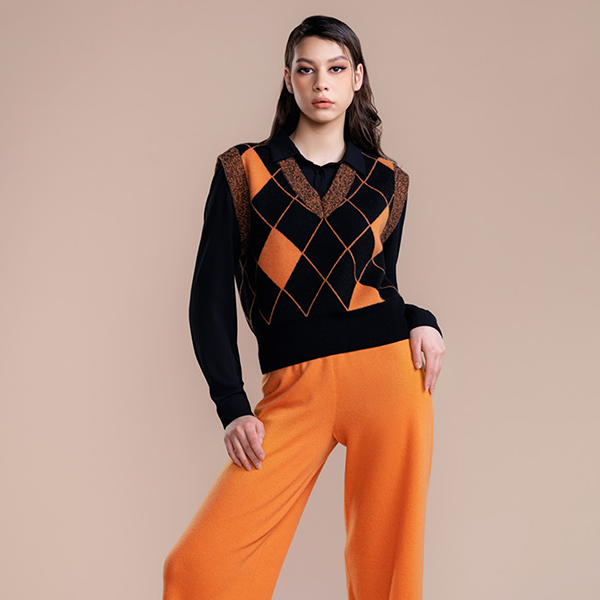
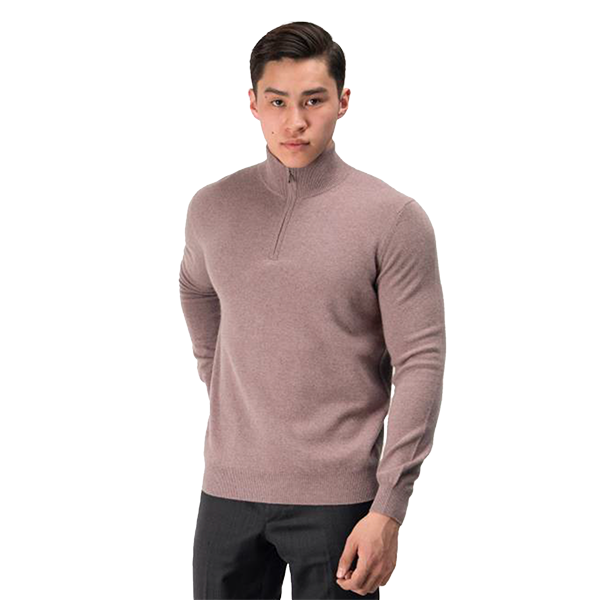
Therefore, regarding Father’s Day, Mongolian Gallery has created a collection of interesting articles and accessories for our fashionable cool fathers. We present handmade leather bags, wallets, and keychains as well as innovative coats, silk bomber jackets, and leather boots hand-made by Mongolian fashion designers. We believe that this collection would be helpful for you to find an ideal gift for your father. To see more products please click here.

|
Silk Bomber Jacket with Golden Spirit Dragon Design, made in Mongolia by 3 million brand. $259 |
|
Spacious Genuine Leather Cowhide Travel Bag by Hunnu Fashion, made by Mongol artisans in Ulaanbaatar Mongolia. $390 |
 |
 |
Intricately designed leather keychain with metal clasp, made in Mongolia by Hunnu Fashion,
|
|
Beautifully hand crafted, one-of-a-kind hoodie poncho for the cool dads, made by Baba Brand. $960
|
 |
“When our bond with fathers is allowed to flourish, our society is all the better for it.” (Eng 101, 2019). We wish you to have a wonderful holiday. Kudos to fathers!
Written by Myagmartseren (Gina) Purev
All-year-round Mongolians look forward to celebrating the country's biggest national festival, Naadam. The festival takes place every July, officially for three days, but in some parts of the country, people celebrate it for a month. During the festival, young children compete in horse racing, men fight in wrestling, and women and men contend in archery. Everyone is welcome to participate in Naadam. The contestants train hard for the competition for a year to show off their skills and endurance. Apart from the sports competition, concerts, parades, traditional costume contests, and opening and closing ceremonies make the national festival appealing. The Naadam is a significant nomadic event that plays a huge role in preserving Mongolian culture and tradition. That so, in 2010, it was inscribed on UNESCO's intangible cultural heritage list.
The Naadam festival is locally known as Eriin Gurvan Naadam, which means "three games of men." In old times, only men used to participate in festival sports. Today, regardless of gender, children can participate in horse racing, and all male and female archers are welcomed in the archery contest across the country. The origins of the modern festival of Naadam lie in Mongolia's ancient nomadic life on the vast steppe and long practiced pastoralism. This nomadic lifestyle encouraged Mongolians to master horsemanship and archery. Mongolians follow and perform certain rituals and cultural elements for the celebration, including wearing traditional dresses, eating Khuushuur, drinking mare milk, singing long songs and overtone, playing horse fiddles, and dancing biy biyelgee-traditional Mongolian dance.
To preserve traditional Mongolian clothes - deel [deːɮ]; and to promote the usage of traditional Mongolian dresses among the population, a sub-festival of Naadam, Deeltei Mongol is held on the Chinggis Khan square in Ulaanbaatar, a day before the main festival. Deeltei Mongol means a Mongolian wearing a deel. Celebrating Deeltei Mongol, people with various types of deel parade around the government palace, and a fashion show presenting different ethnic deels is held for the public. The Deel consists of a long garment, sash, belt, and hand-made or ornamental buttons. The knowledge of deel making traditionally used to be transferred from a parent to a child, but in modern times the method is developed on the level of fashion technology and merged in pedagogy. Nowadays, even though contemporary fashion designers often modify the traditional classic style of deel, its core elements are still preserved and appreciated.
Mongolians make their winter deel with insulation of sheep fur and their summer deel with thin silk garments. Since Naadam occurs in mid-summer when the weather is at the peak of summer heat, thin summer deel is ideal for the occasion and often preferred to be worn instead of any other clothes. It could protect the body from the scorching sun heat as well as at the same it could keep the body cool. So, deel is doubtlessly a presentation of nomadic knowledge and lifestyle; therefore, it is listed on UNESCO's world intangible heritages in 2010. Across the world, many Mongol ethnic groups are still maintaining the culture of deel and wearing it for occasions.
The Mongolian Gallery has trendy modern vests and coats based on the traditional Mongolian deel style for its customers. We kindly recommend you look over our website and check the garments by Baba Brand and Deer Brand.
Written by: Myagmartseren (Gina) Purev
The month of May is a beautiful time of year when nature comes back to life and flowers are blooming. In America, we also celebrate all the fantastic mothers on Mother's Day and the heritage of Asian Americans and Pacific Islanders all through May.
To honor Mother's Day, we invited one of the female small business owners that we collaborate with for a talk to understand what process goes into making the products we deliver to our customers. Her name is Enkhbaigal. She is an enthusiastic self-made business person, an extraordinarily talented and hard-working craftswoman, and a wonderful mother. She creates beautiful felt wool animal toys and warm, comfortable felt wool slippers. She gave us an insight into what challenges and opportunities she encountered as a business owner that sells handmade, cultural items. Her conversation with us inspired us to dig more into Mongolian felt culture and heritage.
Felt played a crucial role in the lives of inhabitants in Central Asia for centuries. The felt pieces that confirm the earliest felt usage in Central Asia were found in the Pazyrk Tomb in Siberia, Altai Mountain Region (which is northern Mongolia). The tomb is dated back to 300-238 BCE. The findings include beautifully stitched boots, saddle blankets, hats, and felt animals such as a swan. Also, the Noyon Uul Burials, where the Selenga River locates in the hills of northern Mongolia, have presented the earliest artifacts of felt usage by Mongolian nomads.
So, Mongolians have been producing and using felt products in their daily lives for centuries. Felt provided necessities like housing (ger/ yurt) insulation, floor covering, bed mattresses, boots, hats, jackets, and blankets. The felt wool items are incredibly suitable and virtually indispensable for the Mongolian nomadic lifestyle, characterized by frequent travels from one place to another during harsh winter and summer and dependency on the livestock. Traditional Mongolian method of making felt wool consists of the following steps:
Mongolians sheer their domestic sheep by the traditional, cruelty-free method that also benefits the welfare of the sheep during hot summer months. Sheep are sheared off seasonally, and mainly in the spring and fall. The shearing process provides an abundance of wool used to make felt. After the wool is collected, it is pounded and beaten into smaller fine pieces to be matted down. Mongolians perform this separation or beating of the wool with wooden sticks. Then, the hand-beaten wool is then laid down on an older, already made felt. Watering helps to keep the pounded wool stay down. The hot water is poured all over the wool fibers. Next, the wool and water mixture are pressed together. The mixture must be wrapped around a heavy pole and pressed tightly together. A canvas cloth is wrapped over it to maintain and protect the wet wool mixture. The wrapped felt roll is then rolled behind a horse or camel to be tightly compressed. In some places of Mongolia, women roll and compress the felt manually. After the first compression, the entire process is repeated from the watering process until the felt gets compressed and gets a smooth surface.
Enkhbaigal says that women from Khovd province are known to be very skilled at making 'shirmel' rugs and other textiles. Ms. Enkhbaigal is one of these skilled felt crafters in Mongolia. She grew up in Altai sum, Khovd province, and she learned everything about felt crafting from her mother. She started assisting her mother in making felt rugs and socks when she was around seven years old. After graduating from college, she worked as a product manager for a while, but she considered starting her own business due to the low salary. That's when she started making felt products that resembled the five main livestock of Mongolia, and her company has been in operation for more than 20 years this year. She now works alongside 24 female and 2 male artisans at Tsagaan Alt studio in Ulaanbaatar, and she noted more than half of her employees are heads of households. Enkhbaigal says that felt production requires lots of time and labor, such as making the felt from wool, creating designs, cutting, stitching, making models, adding details, etc. For instance, handcrafting one big felt sheep would take an hour and a half. Due to the labor-intensive nature of felt production, her daughter suggests her doing something else, but Ms. Enkhbaigal refuses and has been following dedicating her time and energy to making beautiful felt products alongside other women for two decades. She noted that felt crafters must have a strong work ethic, resilience, passion, and creativity; otherwise, it is a harrowing journey, and many give up before seeing the fruits of their labor
The little sheep and camels made by Ms. Enkhbaigal are our customers' most beloved felt toy in New York. We are delighted that the products that came out of Enkhbaigal's passion and hard work are being delivered to and cherished by other people, in the US, Canada, Germany, and Japan. She is a living heritage of Mongolian felt culture, and we will continue working with her and other artisans that dedicate their lives to continuing and sharing Mongolian culture. You can shop her amazing crafts here.
Written by: Myagmartseren (Gina) Purev
This month we celebrate and honor the vital role of women in history, society, and economy; hence the Mongolian Gallery wanted to address the importance of women’s role in Mongolian history and economy.
Women’s role in creating Mongolia has been essential during every historical period. Thus, it is impossible to imagine the triumph and success of the Mongol Empire, the effective collectivization of herds in socialist Mongolia, and the thriving local entrepreneurship of modern Mongolia without the participation and presence of Mongolian women.
The world knows Mongolia through its thirteenth-century achievements and expansion and factually relates it with the intelligence and leadership of Genghis Khan. However, wise advisors who assisted Genghis Khan for his outstanding achievements are often forgotten to be regarded. One of them is his mother, Queen Oulen. She guided and encouraged Genghis Khan when there was no one for him after his late father Yesukhei was murdered and their allies stranded him and his family in poverty. Oulen taught her sons to be united and resilient. Historians claim that these are the essential characters that led Genghis Khan and his descendants to success. Even after Genghis was crowned to the khan seat, Oulen has stayed with him as one of his closest advisors and administrators. Besides Queen Oulen, various wise Mongol queens and consorts had been involved in state politics and contributed their intelligence to the grand expansion of the Mongol Empire. During the rise of the Mongol Empire, the role of any Mongol woman was beyond domestic life. They were the administrators of wealth and domain. Alas, Mongol Empire gradually collapsed due to inner conflict and disintegration. After the collapse of the Mongol Empire, Mongolian women, regardless of being royal, were deprived of their vital roles and subjected to a life of struggle, especially under the rule of the Qing Dynasty.
In 1921, Mongolia obtained its independence and established a socialist state with the help of the Soviet Union. Socialist Mongolia initiated automation, collectivization of herds, a modern education system, and the limitation to freedom of speech and expression. The collectivization of herds was a significant operation and resource to support the state’s operations across the country. Herders were assigned to fulfill the state demand. Consequently, female herders carried as much as loads male herders did while caring for their households and kids. Their endeavor is rarely referred to in Mongolian social and economic history; however, many mothers and grandmothers who have lived through the socialist regime witness women’s crucial role in building a socialist state of Mongolia.
Today Mongolia is a parliamentary democratic country successfully practicing a free market economy. Women in Modern Mongolia have much more freedom to participate in economic life and hold higher positions in any industry than previous generations. Therefore, diverse local business initiatives and non-governmental organizations are successfully led by women, and the impact they are making on society is undeniable. According to a study by the Asian Development Bank in 2020, over 50% of the Micro, Small-Medium Enterprises in Mongolia are owned by female entrepreneurs (Joffre, Luvsandorj, 2020). Yet, the latest studies suggest that more women’s involvement in Mongolian socio-economic life needs to be further encouraged and supported at the policy level to create gender equality in society (Ikon, 2021). Thus, the Mongolian Gallery is always eager to cooperate with women-owned Mongolian businesses and support female entrepreneurs in a foreign market.
The history we know tells us less about women, but there is so much about women’s contributions to creating the current world if we carefully read it. We appreciate Women’s History Month for reminding us of what we often miss and giving us a chance to celebrate the significance of women in our past and present.
Author: Myagmartseren (Gina) Purev
One of the biggest music festivals, Coachella, has been canceled multiple times during the Covid-19 pandemic. Many people have waited for its return. After all, the festival is back happening between 16 April and 24 April in Indio, California. As we know, the world's top and thriving artists and bands occupy the Coachella stages and deliver their fine tunes. Until now, no Mongolian artists had a chance to perform at Coachella stages. In contrast, this year one Mongolian band is performing on the long-waited Coachella stage and filling the festival atmosphere with their folk-rock music.
The band is known for its blend of traditional Mongolian instrumentation with heavy metal rock and contemporary music. The videos of their first two songs, “Yuve Yuve Yu” and “Wolf Totem,” went viral immediately after they were released in 2018, and by March 2022, together they have garnered over 161 million views. “On 11 April 2019, "Wolf Totem" reached No. 1 on Billboard's Hard Rock Digital Song Sales, making The Hu the first Mongolian musical act to no.1 on a Billboard chart” (Rutherford, 2019). Their presence and achievements in the music world have been outstanding.
Are you having any guess what band we are talking about?
Yes, it is The HU. The band delivers an enthralling taste and air to the metal rock lovers through their distinctive style “Hunnu Rock”, which is “inspired by the Hunnu, an ancient Mongolian empire, known as The Huns in western culture. Some of the band’s lyrics consists of old Mongolian war cries and poetry” (The HU, 2018). Their eccentric ethnic costumes also represent the Hunnu clothing style. The HU creates their music with Mongolian traditional instruments and singing techniques, including Morin Khuur (Horsehead fiddle), Tumur Khuur (jaw harp), Tovshuur (Mongolian guitar), and Khoomei (throat singing). These instruments are valuable elements of Mongolian music tradition and culture, and particularly, Morin Khuur and Khoomei are strong symbols of national or ethnic identity.
In 2008 and 2010, UNESCO proclaimed that Morin Khuur and Khoomei are Mongolian Intangible Cultural Heritages.
Written sources claim that string instruments with horse heads on the upper end of the pegbox have been played from the thirteenth and fourteenth centuries among Mongolian nomads for rituals and everyday activities. Morin Khuur is explicitly designed to present the attributes of the horse. The instrument’s trapezoid-shaped body is attached to a long neck bearing a carved horse head at its top end, and just below the horse head, two tuning pegs extend out like ears from either side of the neck. Conventionally, the soundboard of the instrument is covered with leather, and the strings and bow are made of horsehair. It is played in a way of stroking the bow against the two strings. Because of the simultaneous presence of a main tone and overtones, Morin Khuur music has always been difficult to transcribe using standard notation. Therefore, it has been transmitted orally from master to apprentice for many generations. Whereas, due to the modernization, the tuning of Morin Khuur has been adapted to the technical requirements of stage performance, resulting in higher and louder sounds that erase many timbral subtleties. (UNESCO, 2008).
Khoomei is a style of singing, in which the performer uses his throat as a musical instrument to produce a diversified harmony of different pitches including a continued bass and a whistle-like sound at the same time. Khoomei is practiced among Mongolians as well as other Mongolian communities such as Inner Mongolians, Western Mongolians, and Tuvans. It has been sung for centuries as respect and praise for the natural world and the great ancestors of the Mongolian people.
These traditional instruments have been played and performed along with modern music but have not been profoundly known to the world until recently, yet today anyone across the world can experience and hear them through the music of The HU. It is thrilling to listen to Morin Khuur, Khuumei, Tovshuur, and Tumur Khuur from the world stages. However, it should be stressed that Mongolian music is not limited to traditional musical instruments and songs. The music in Mongolia is rich and consists of different genres related to various ethnic groups and modernization in the country.
If you have missed the chance to listen to The HU at the Coachella stage, we are happy to convey the good news to you. The HU is touring around North America until 31 May 2022. You could find more information about the tour on their website. Besides, if you are curious about the Hunnu Fashion and would like to acquire some of them to wear for their concerts, check out the following link or visit our store in New York City.
Author: Myagmartseren (Gina) Purev

