

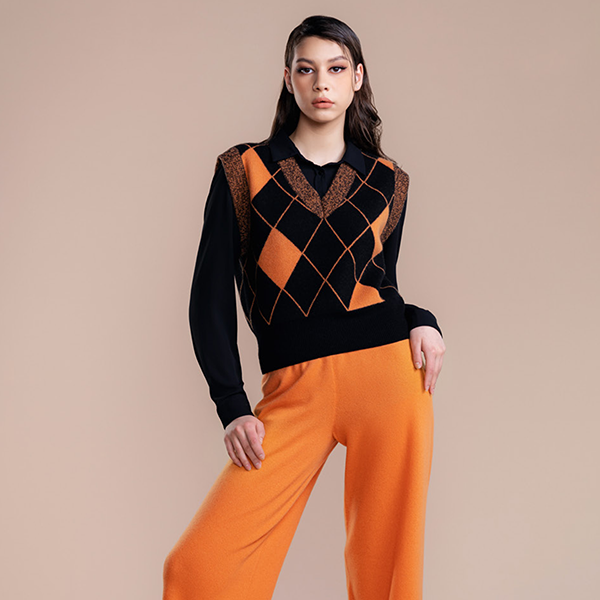
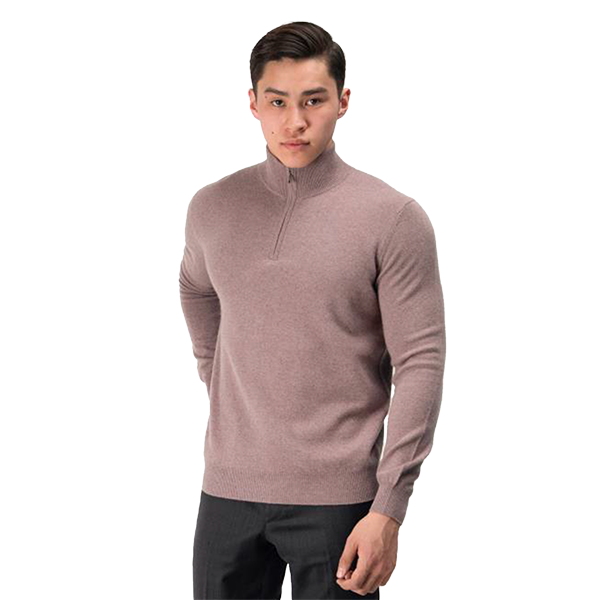
What a fantastic journey it’s been so far at Spruce Meadows!
This year marks the 50th anniversary of one of North America’s most iconic equestrian venues—and we’re honored to be part of it. Our exhibition at the 2025 Spruce Meadows International Show Jumping Series has been more than just a pop-up; it’s been a cultural celebration of two lands—Mongolia and Alberta—brought together by a deep, shared love for the horse.
From the vibrant opening weekend, joined by representatives from the Embassy of Mongolia to Canada, the Honorary Consul of Mongolia to Alberta, the Umnugovi Province, and the President and leadership team of Spruce Meadows, to the many visitors who stopped by to experience the soul of Mongolian craftsmanship, we are deeply grateful.

Our team at Mongolian Gallery came from Ulaanbaatar and New York, representing over two dozen women-owned brands from Mongolia. Each piece in our curated collection carries generations of heritage and is crafted with care:
Thanks to the warm reception and overwhelming interest from the Calgary community, we’re excited to share that we are extending our exhibition at Spruce Meadows!
🗓 June 29 – 30
🗓 July 1st (Canada Day)
🗓 July 6 – 7
📍 Horizons Pavilion, Spruce Meadows, Calgary AB
This collaboration has reminded us that craftsmanship, heritage, and storytelling transcend borders—and that the language of the horse runs deep in both our cultures.
Whether you're a lifelong equestrian, a thoughtful gift-giver, or simply someone who appreciates quality with soul, we invite you to stop by, say hello, and discover the quiet luxury of Mongolia.
P.S. If there was something you loved but didn’t take home, don’t worry—just DM or email us. We’ll make it available to you online or arrange a private viewing.
With warmest regards from Calgary,
Badamtsetseg Altantsogt
Celebrating AAPI Heritage Month Through Craft, Culture & Community
At Mongolian Gallery, supporting women-led small businesses isn’t just part of our business model — it’s our foundation.
This AAPI Heritage Month, we’re proud to celebrate not only our cultural roots but also the incredible women artisans, makers, and entrepreneurs whose work defines our collection. From hand-combed cashmere clothing to hand-stitched leather accessories, every piece in our shop carries the story of a woman building something of her own, often against odds.
In the U.S., women-led businesses make up nearly 40% of small businesses, yet they continue to face unequal access to funding, visibility, and long-term support. In Mongolia—where our roots lie—women own 64% of micro and small enterprises and comprise most of the textile and artisan workforce. In fact, approximately 90% of staff in Mongolia’s cashmere and wool production are women (UNDP).
Despite their essential contributions, many still lack access to financial assistance and the opportunity to grow beyond local markets.
As women-owned businesses ourselves, we’ve experienced these barriers firsthand. That’s why, while international agencies and local banks continue working towards addressing financing barriers, our focus has been more immediate: to build and provide a platform that connects these women-led brands to global audiences, helping them grow, gain feedback, and raise awareness through community and opportunity.
When you support businesses like ours, it creates a ripple effect- not only sustaining livelihoods but also validating the work and vision of these artisans, helping them thrive beyond borders.
Our customers play a vital role in this ecosystem. Every purchase directly supports a supply chain designed to reinvest back into the women behind the work, its uplifting makers, preserving cultural heritage through international, conscious choices.
For us, AAPI Heritage Month is both a celebration and a reminder. As a business founded by a first-generation Mongolian immigrant, our mission is deeply personal. We aim to preserve the craftsmanship, stories, and soul of Mongolian culture — and celebrate and share them with the world in a way that uplifts the makers and women behind each product.
Whether wrapping yourself in a cloud-light cashmere shawl or gifting a handmade leather handbag to someone you love, we love to have you take part in something much larger:
Cultural appreciation, not appropriation. Conscious consumerism, not fast fashion.
So this month — and every month — we invite you to shop with intention, celebrate heritage with heart, and stand with makers building something beautiful.
Chanel. Hermès. Burberry. Loro Piana. They all return to one source: cashmere from Mongolia.
But here’s the part most people don’t realize: not all “Mongolian cashmere” is actually from Mongolia. Many global brands use the label loosely, even when the fibers are sourced elsewhere. Inner Mongolia (in China) and Mongolia are often confused, yet the difference in quality and tradition is profound.
Mongolian cashmere is distinct because of its environment. Raised at higher altitudes under extreme climates, the goats grow fibers that are longer, finer, and more durable than almost anywhere else in the world. This is why the world’s top fashion houses rely on it.
But in Mongolia, cashmere is more than a luxury fabric. It’s a way of life. From our conversations with herders and associations, one truth shines through: harmony with nature is non-negotiable. Families move with the seasons so the rangeland can recover and herds can remain healthy. Every part of the goat, milk, cashmere, and meat sustains their livelihood all year round. Goats aren’t treated as livestock alone, but as an extension of the family.
This perspective is what grounds us at Mongolian Gallery. Cashmere isn't a trend, a logo, or a 'drop'. It is insulation against -40°C winters, and a warm layer on breezy summer evenings. It is breathable, long-lasting, and sustainable by design.
And yet, too often, the raw material is exported out of Mongolia with little left behind for the people who sustain it. Like gold or oil, value leaves while communities remain vulnerable.
That’s why we choose a different path. We work directly with small and medium-sized manufacturers in Mongolia, the backbone of the economy. In fact, SMEs make up nearly 97% of all registered businesses in the country (2023). By law, these are companies with fewer than 200 employees and less than ₮2.5 billion MNT (about $685,000 USD) in revenue. Many are women-led, employing tens to hundreds, and creating meaningful local impact.
By keeping production within these businesses in the country, we contribute to a growing field that ensures herders, gatherers, factory staff, and artisans are paid fairly, while also strengthening Mongolia’s economy and value-added chain.
Because true luxury isn’t just about what you wear. It’s about accountability and honoring the hands, the heritage, and the communities behind the fabric.
And we hope to be part of your journey toward responsible consumption, choosing organic fabrics that care for your health, investing in pieces that last a lifetime, and supporting livelihoods that keep traditions alive.
Mongolia’s leather craftsmanship isn’t just a centuries-old tradition—it’s a pillar of livelihood, cultural identity, and sustainable economic growth. Today, thanks to determined local artisans like Enkhnasan B., founder of Maris Leather, the industry is making headlines for all the right reasons.
Leather has always been a vital byproduct of daily life for nomadic herding families. With over 70 million livestock and a population of just over 3.4 million people, Mongolia has long relied on animal-based materials like leather, felt wool, and cashmere for livelihood and trade, artistry, and cultural continuity.
Traditionally used in everything from boots and horse saddles to ceremonial clothing, leather remains an integral part of Mongolian life. In today’s economy, it also holds significant potential for sustainable development. The leather sector employs around 15,000 people, many women, and offers a clear pathway for value-added exports, particularly as global demand rises for ethically sourced, small-batch sustainable goods.
At Mongolian Gallery, we proudly feature Maris Leather. They blend modern design with traditional craftsmanship, using responsibly sourced hides from livestock raised for food and ensuring zero waste. The business is also part of Mongolia’s movement toward cleaner leather processing, reducing water usage and harmful chemicals while maintaining artisanal quality.
Choosing to shop consciously—whether it’s a handmade bag or a pair of slippers—is more than a lifestyle trend; it’s a reflection of our values. It’s how you support thoughtful design, real craftsmanship, and women-led businesses like Enkhnasan’s, which work every day to reduce waste and create meaningful alternatives to fast fashion. These are products made with soul, intention, and care, and your choice helps keep that mission alive.
As the European Bank for Reconstruction and Development (EBRD) notes, leather production is one of the most promising sectors for Mongolia’s sustainable industrial growth. And with women like Enkhnasan at the helm, this isn’t just economic progress—it’s cultural preservation with a conscience.
Explore our curated leather collection, featuring Maris Leather and other small-batch artisans, and experience the strength of a craft shaped by nature, heritage, and heart.
Mother's Day is a special holiday celebrated worldwide to honor the mothers in our lives and show our appreciation for all they do for us. Mothers worldwide are celebrated on different days and months depending on the country, but it is typically held on the second Sunday of May in many parts of the world. In Mongolia, we celebrate Mothers on the same day as International Women's Day, which falls on March 8th.
On Mother's Day, it is important to take the time to thank our mothers for everything they do. This can be done in various ways, such as by sending a heartfelt card, cooking them a special meal, spending time together as a family, or simply getting them something special.
In honor of the AAPI month and Mother's Day, let's take a moment to recognize the fantastic Mongolian women who are mothers and entrepreneurs running small to medium-sized businesses. These women are inspiring with their dedication and passion for their companies, prioritizing sustainability and environmental stewardship.
These amazing mothers lead by example, create a sustainability culture within their companies, and inspire their employees and customers to make more environmentally conscious choices.
We are proud to work with these incredible mothers who prove that you can be a successful entrepreneur and a dedicated mother while also doing your part to protect our planet and give back to your country. This Mother's Day, let's celebrate these women making a difference in their communities and the world.
Let's support their businesses and encourage others to follow in their footsteps.
If you're looking for a unique gift for your mother this Mother's Day, consider choosing from the list of sustainable, elegant, and unique options provided by Mongolian Gallery.
Our Gift Guide for Mothers (in order of increasing value):
|
1. Hydrating
Handmade Wool Soap
|
2. Vegan (Soy wax) Candle
|
 |
 |
|
3. Silk Detailed Handbags
|
4. Handmade Organic Wool Shoes
|
 |
 |
|
5. One-of-a-kind Leather Bag
|
6. Pure Cashmere Sweater
|
 |
 |
This month we celebrate and honor the vital role of women in history, society, and economy; hence the Mongolian Gallery wanted to address the importance of women’s role in Mongolian history and economy.
Women’s role in creating Mongolia has been essential during every historical period. Thus, it is impossible to imagine the triumph and success of the Mongol Empire, the effective collectivization of herds in socialist Mongolia, and the thriving local entrepreneurship of modern Mongolia without the participation and presence of Mongolian women.
The world knows Mongolia through its thirteenth-century achievements and expansion and factually relates it with the intelligence and leadership of Genghis Khan. However, wise advisors who assisted Genghis Khan for his outstanding achievements are often forgotten to be regarded. One of them is his mother, Queen Oulen. She guided and encouraged Genghis Khan when there was no one for him after his late father Yesukhei was murdered and their allies stranded him and his family in poverty. Oulen taught her sons to be united and resilient. Historians claim that these are the essential characters that led Genghis Khan and his descendants to success. Even after Genghis was crowned to the khan seat, Oulen has stayed with him as one of his closest advisors and administrators. Besides Queen Oulen, various wise Mongol queens and consorts had been involved in state politics and contributed their intelligence to the grand expansion of the Mongol Empire. During the rise of the Mongol Empire, the role of any Mongol woman was beyond domestic life. They were the administrators of wealth and domain. Alas, Mongol Empire gradually collapsed due to inner conflict and disintegration. After the collapse of the Mongol Empire, Mongolian women, regardless of being royal, were deprived of their vital roles and subjected to a life of struggle, especially under the rule of the Qing Dynasty.
In 1921, Mongolia obtained its independence and established a socialist state with the help of the Soviet Union. Socialist Mongolia initiated automation, collectivization of herds, a modern education system, and the limitation to freedom of speech and expression. The collectivization of herds was a significant operation and resource to support the state’s operations across the country. Herders were assigned to fulfill the state demand. Consequently, female herders carried as much as loads male herders did while caring for their households and kids. Their endeavor is rarely referred to in Mongolian social and economic history; however, many mothers and grandmothers who have lived through the socialist regime witness women’s crucial role in building a socialist state of Mongolia.
Today Mongolia is a parliamentary democratic country successfully practicing a free market economy. Women in Modern Mongolia have much more freedom to participate in economic life and hold higher positions in any industry than previous generations. Therefore, diverse local business initiatives and non-governmental organizations are successfully led by women, and the impact they are making on society is undeniable. According to a study by the Asian Development Bank in 2020, over 50% of the Micro, Small-Medium Enterprises in Mongolia are owned by female entrepreneurs (Joffre, Luvsandorj, 2020). Yet, the latest studies suggest that more women’s involvement in Mongolian socio-economic life needs to be further encouraged and supported at the policy level to create gender equality in society (Ikon, 2021). Thus, the Mongolian Gallery is always eager to cooperate with women-owned Mongolian businesses and support female entrepreneurs in a foreign market.
The history we know tells us less about women, but there is so much about women’s contributions to creating the current world if we carefully read it. We appreciate Women’s History Month for reminding us of what we often miss and giving us a chance to celebrate the significance of women in our past and present.
Author: Myagmartseren (Gina) Purev
In today’s fashion landscape, “sustainability” is everywhere. It’s stamped onto tags, woven into marketing copy, and highlighted in seasonal campaigns. But as the word becomes more common, its meaning becomes more diluted — even distorted.
So, what does sustainability really mean? And more importantly, what does it mean to us at Mongolian Gallery?
Sustainability entered the fashion industry’s vocabulary as a response to urgent concerns: pollution, overproduction, textile waste, and exploitative labor. The global fashion industry is responsible for 10% of annual carbon emissions and is the second-largest consumer of water worldwide (UNEP).
As consumer awareness and concern over consumption habits increased, so did the demand for more ethical and eco-conscious options. This shift encouraged many brands to respond — or at least appear to. Sustainability quickly became a marketing must-have, used to signal alignment with conscious values.
But not all efforts were rooted in transparency. In the rush to meet consumer expectations, terms like “sustainable” too often became marketing labels rather than reflections of meaningful practices. This tension has led to what’s known as greenwashing — when good-sounding language isn't backed by real action. It’s made it harder for all of us, as consumers, to know what’s genuine and what’s just branding.
In fact, a 2021 report by the Changing Markets Foundation found that 59% of sustainability claims by fashion brands were misleading or unsubstantiated.
At Mongolian Gallery, sustainability is not a buzzword — it's our founding commitment.
We define sustainability not only by how our products are made, but also by who makes them, where, and why. Our approach focuses on three interconnected values:
1. Natural Materials, Low Impact
We work exclusively with natural, organic fibers like Mongolian cashmere, wool, and leather. These are biodegradable, long-lasting, and far less polluting than synthetic alternatives like polyester or acrylic — both of which shed microplastics, leaching toxins into the skin and rely heavily on fossil fuels (Ellen MacArthur Foundation).
2. Human-Centered Production
We collaborate with women-led, small-batch producers in Mongolia, supporting fair wages, cultural preservation, and the preservation of generational craftsmanship. Many of these artisans own their own businesses or cooperatives, which means your purchase helps sustain real, local livelihoods, not faceless supply chains.
3. Longevity Over Trends
Sustainability also means resisting overconsumption. Our pieces aren’t made for just one season — they’re meant to be worn, loved, and passed down. We design with timelessness in mind, encouraging thoughtful purchasing over fleeting trends.
When we say our products are sustainable, we don’t mean perfect — we mean intentional.
We recognize that sustainability in the fashion industry is complex, and the truth is: even natural materials come with their own environmental impact. For example, cashmere goats contribute to land degradation due to overgrazing, especially in parts of Mongolia where desertification is already a serious concern. Wool and leather production also use water and energy resources, and we’re mindful of how these materials are sourced and processed.
We don’t shy away from these realities — we face them head-on by choosing partners who care deeply about the land they live on and the legacy they leave behind. That means:
We aren't claiming to have it all figured out — but we are committed to doing better, every day. For the land, the people, and for future generations.
To us, sustainability isn’t a label. It’s a relationship — between product and purpose, between maker and consumer, and between people and the planet.
We’d love to hear your thoughts. For us, sustainability starts with reflection, not perfection. And the everyday choices we make — even small ones — add up.
Here are a few simple steps I personally take when shopping for a new dress, sweater, or handbag:
Read the label carefully. Is it really made of 100% natural materials? Or does it include just 5% organic cotton blended with synthetics? (In the U.S., a product can legally be labeled “cashmere” or “cotton” even if it contains only 5% of that fiber.)
Ask: Do I really need this? Will I wear it for a long time? Trends come and go, but knowing your personal style can help reduce waste and keep you from buying something you’ll only wear once.
We’re not here to preach — we’re here to grow together. Share your thoughts in the comments or connect with us on Instagram. Let’s keep the conversation going.
Father's Day is a cherished occasion that allows us to honor and celebrate the remarkable fathers in our lives. It is a day filled with gratitude, love, and appreciation for the countless sacrifices, guidance, and unwavering support our dads provide. As we reflect on their selflessness, support and the profound impact they have on our lives, we eagerly search for the perfect Father's Day gift to express our heartfelt sentiments.
To assist you in finding a meaningful token of appreciation, below is a curated gift guide featuring a range of thoughtful and exceptional presents that embody the essence of fatherhood.
These carefully selected gifts symbolize the love and admiration we hold for our fathers, offering them a moment of joy and recognition on this special day. Let us celebrate the extraordinary men who have shaped us, guided us, and loved us unconditionally. Happy Father's Day!

|

|
|
4. Leather Office Set
|
|

|
 |
|
5. Leather Wallet
|
|
 |

|
| 7. Leather Briefcase | 8. Travel Bag |

|

|
| 9. Cashmere Socks | 10. Pure Cashmere Sweater |

|

|
Mongolia has a rich cultural heritage that has been passed down from generation to generation. The country is known for its epic singing, traditional instruments, and unique throat singing style known as khoomei. In honor of Asian Heritage Month, we recently hosted "The Ancient Melodies of Mongolia" and had the privilege of hearing from two remarkable artists, Dr. Baatarjav Erdenetsogt and Ms. Bolormaa Purevjav, who have dedicated their lives to preserving and promoting this cultural heritage.
We thank the co-organizers, and the guests for making time to hear of the melodied of ancient Mongolian musical instruments. Here is a short clips of the event:
Airag, or Ayrag, is the traditional Mongolian fermented mare's milk. Mongolian traditional making of Airag is listed on UNESCO’s Intangible Cultural Heritage List.
Horses have always been one of the most vital parts of the Mongolian nation. And as you can see, they are not only used for riding. Since ancient times, Mongolians have found a way to make an alcoholic spirit from the milk of mares, and this drink has quickly become one of our most popular ones.
Traditional technique of making Airag in Khokhuur and its associated customs includes the traditional method of making airag – a fermented beverage made from mare’s milk – and the related equipment, such as the khokhuur (cowhide vessel), buluur (paddle) and khovoo (kibble), associated with the social customs and rituals.
The khokhuur and related equipment are made by individuals with centuries-old knowledge and skills, and the skills required for preparing and maintaining the yeast are also particularly important. A nutritious and easily digestible beverage, airag is an important part of the daily diet of Mongolians and has also been proven to be effective for curing certain diseases. It also plays an essential role as a symbolic beverage in the daily lives of herders and various social celebrations: airag is used and served as a key holy drink during various fests and in offerings and ritual blessings. Bearers and practitioners inherit the related traditional practices and knowledge from their parents, which has kept the tradition alive for thousands of years.
The basic airag-making technique consists of milking the mares, cooling the fresh milk, and repeatedly churning it inside the khokhuur – over 500 times – with starter left inside to assist fermentation.
Mongolians make this delicious low percentage (2%) alcoholic drink by filtering the mare's milk through a cloth and pouring it into an open leather sack called Khukhuur. This is the usual, traditional method, but sometimes, Mongolians use a vat from larch wood called Gan, or they simply use plastic.
The next step is to stir the milk with Buluur – a wooden masher. The stirring needs to be repeated many times throughout the day for one or two days. Traditionally, the Mongols place the Khukhuur next to the entrance of the ger, so anyone entering or leaving the ger can give the drink a stir.
You can purchase a traditional mares milk from our partner in Chicago, click here.
Recently, our team found ourselves in a thoughtful conversation about sustainability, specifically, what it truly means in the world of fashion. Whether it's a trending coat or a forgotten sweater at the back of your closet, it all falls under the same category: fashion. Unfortunately, it’s one of the most polluting industries on the planet.
In December, the U.S. released its first-ever federal report on textile waste, and the numbers are staggering. Nearly 17 million tons of textile waste were generated in 2018 alone, with only 15% recycled or reused. The rest? Sent to landfills or incinerated—releasing toxic chemicals, microplastics, and greenhouse gases into our environment.
It gets more unsettling. A biological study in England found microplastics in the stomachs of fish—many of which came from synthetic fabrics like polyamide (35.6%) and rayon (57.8%). These are the exact materials found in much of today’s fast fashion, which shed microfibers every time we wash them, eventually finding their way into our oceans and ecosystems.
We know—this is a heavy topic, especially when the world already feels like it’s unraveling in so many ways. But this is one of those rare problems where we can be part of the solution.
From our producer’s side, sustainability means thoughtful choices in fabric sourcing, dyeing, water usage, and how our garments are made. But as consumers, our role is just as important. It’s about asking ourselves:
What am I buying (material)?
How long will this last?
And what will happen to it after I’m done?
Here are a few simple shifts that make a big difference:
🛍 Shop less, shop smarter. Choose items you truly love and plan to wear for years.
♻️ Upcycle what you already own. A small repair or creative refresh can breathe new life into something old.
💚 Support vintage and thrift. One person’s "trash" really can become another’s treasure.
🧠 Make informed choices. Know where your clothes come from and what they’re made of.
🚫 Say no to fast fashion. It might be cheap now, but the environmental cost is huge.
We understand that shopping sustainably isn’t always easy or affordable. Natural, ethically made products often cost more because they’re built to last with quality materials. But this is where the shift begins. It’s about choosing quality over quantity, health over hype, and making decisions that feel good not just today, but years from now.
When we invest in clothes made from biodegradable or long-lasting materials like organic wool or cashmere, we’re not just buying a product—we're casting a vote for the kind of world we want to live in.
Let’s wear our values. Let’s choose clothes that do good, feel good, and last.
We hosted artist Vankhaan Choimbol, musician Bayarjargal Chogsom, and Mongolian traditional dancer to celebrate our lunar new year Tsagaan Sar or White Moon (in english), a cultural event registered as UNESCO Intangible Cultural Heritage. We thank all those that came to celebrate Tsagaan sar with us!
Written by: Myagmartseren (Gina) Purev
The month of May is a beautiful time of year when nature comes back to life and flowers are blooming. In America, we also celebrate all the fantastic mothers on Mother's Day and the heritage of Asian Americans and Pacific Islanders all through May.
To honor Mother's Day, we invited one of the female small business owners that we collaborate with for a talk to understand what process goes into making the products we deliver to our customers. Her name is Enkhbaigal. She is an enthusiastic self-made business person, an extraordinarily talented and hard-working craftswoman, and a wonderful mother. She creates beautiful felt wool animal toys and warm, comfortable felt wool slippers. She gave us an insight into what challenges and opportunities she encountered as a business owner that sells handmade, cultural items. Her conversation with us inspired us to dig more into Mongolian felt culture and heritage.
Felt played a crucial role in the lives of inhabitants in Central Asia for centuries. The felt pieces that confirm the earliest felt usage in Central Asia were found in the Pazyrk Tomb in Siberia, Altai Mountain Region (which is northern Mongolia). The tomb is dated back to 300-238 BCE. The findings include beautifully stitched boots, saddle blankets, hats, and felt animals such as a swan. Also, the Noyon Uul Burials, where the Selenga River locates in the hills of northern Mongolia, have presented the earliest artifacts of felt usage by Mongolian nomads.
So, Mongolians have been producing and using felt products in their daily lives for centuries. Felt provided necessities like housing (ger/ yurt) insulation, floor covering, bed mattresses, boots, hats, jackets, and blankets. The felt wool items are incredibly suitable and virtually indispensable for the Mongolian nomadic lifestyle, characterized by frequent travels from one place to another during harsh winter and summer and dependency on the livestock. Traditional Mongolian method of making felt wool consists of the following steps:
Mongolians sheer their domestic sheep by the traditional, cruelty-free method that also benefits the welfare of the sheep during hot summer months. Sheep are sheared off seasonally, and mainly in the spring and fall. The shearing process provides an abundance of wool used to make felt. After the wool is collected, it is pounded and beaten into smaller fine pieces to be matted down. Mongolians perform this separation or beating of the wool with wooden sticks. Then, the hand-beaten wool is then laid down on an older, already made felt. Watering helps to keep the pounded wool stay down. The hot water is poured all over the wool fibers. Next, the wool and water mixture are pressed together. The mixture must be wrapped around a heavy pole and pressed tightly together. A canvas cloth is wrapped over it to maintain and protect the wet wool mixture. The wrapped felt roll is then rolled behind a horse or camel to be tightly compressed. In some places of Mongolia, women roll and compress the felt manually. After the first compression, the entire process is repeated from the watering process until the felt gets compressed and gets a smooth surface.
Enkhbaigal says that women from Khovd province are known to be very skilled at making 'shirmel' rugs and other textiles. Ms. Enkhbaigal is one of these skilled felt crafters in Mongolia. She grew up in Altai sum, Khovd province, and she learned everything about felt crafting from her mother. She started assisting her mother in making felt rugs and socks when she was around seven years old. After graduating from college, she worked as a product manager for a while, but she considered starting her own business due to the low salary. That's when she started making felt products that resembled the five main livestock of Mongolia, and her company has been in operation for more than 20 years this year. She now works alongside 24 female and 2 male artisans at Tsagaan Alt studio in Ulaanbaatar, and she noted more than half of her employees are heads of households. Enkhbaigal says that felt production requires lots of time and labor, such as making the felt from wool, creating designs, cutting, stitching, making models, adding details, etc. For instance, handcrafting one big felt sheep would take an hour and a half. Due to the labor-intensive nature of felt production, her daughter suggests her doing something else, but Ms. Enkhbaigal refuses and has been following dedicating her time and energy to making beautiful felt products alongside other women for two decades. She noted that felt crafters must have a strong work ethic, resilience, passion, and creativity; otherwise, it is a harrowing journey, and many give up before seeing the fruits of their labor
The little sheep and camels made by Ms. Enkhbaigal are our customers' most beloved felt toy in New York. We are delighted that the products that came out of Enkhbaigal's passion and hard work are being delivered to and cherished by other people, in the US, Canada, Germany, and Japan. She is a living heritage of Mongolian felt culture, and we will continue working with her and other artisans that dedicate their lives to continuing and sharing Mongolian culture. You can shop her amazing crafts here.
Written by: Myagmartseren (Gina) Purev
One of the biggest music festivals, Coachella, has been canceled multiple times during the Covid-19 pandemic. Many people have waited for its return. After all, the festival is back happening between 16 April and 24 April in Indio, California. As we know, the world's top and thriving artists and bands occupy the Coachella stages and deliver their fine tunes. Until now, no Mongolian artists had a chance to perform at Coachella stages. In contrast, this year one Mongolian band is performing on the long-waited Coachella stage and filling the festival atmosphere with their folk-rock music.
The band is known for its blend of traditional Mongolian instrumentation with heavy metal rock and contemporary music. The videos of their first two songs, “Yuve Yuve Yu” and “Wolf Totem,” went viral immediately after they were released in 2018, and by March 2022, together they have garnered over 161 million views. “On 11 April 2019, "Wolf Totem" reached No. 1 on Billboard's Hard Rock Digital Song Sales, making The Hu the first Mongolian musical act to no.1 on a Billboard chart” (Rutherford, 2019). Their presence and achievements in the music world have been outstanding.
Are you having any guess what band we are talking about?
Yes, it is The HU. The band delivers an enthralling taste and air to the metal rock lovers through their distinctive style “Hunnu Rock”, which is “inspired by the Hunnu, an ancient Mongolian empire, known as The Huns in western culture. Some of the band’s lyrics consists of old Mongolian war cries and poetry” (The HU, 2018). Their eccentric ethnic costumes also represent the Hunnu clothing style. The HU creates their music with Mongolian traditional instruments and singing techniques, including Morin Khuur (Horsehead fiddle), Tumur Khuur (jaw harp), Tovshuur (Mongolian guitar), and Khoomei (throat singing). These instruments are valuable elements of Mongolian music tradition and culture, and particularly, Morin Khuur and Khoomei are strong symbols of national or ethnic identity.
In 2008 and 2010, UNESCO proclaimed that Morin Khuur and Khoomei are Mongolian Intangible Cultural Heritages.
Written sources claim that string instruments with horse heads on the upper end of the pegbox have been played from the thirteenth and fourteenth centuries among Mongolian nomads for rituals and everyday activities. Morin Khuur is explicitly designed to present the attributes of the horse. The instrument’s trapezoid-shaped body is attached to a long neck bearing a carved horse head at its top end, and just below the horse head, two tuning pegs extend out like ears from either side of the neck. Conventionally, the soundboard of the instrument is covered with leather, and the strings and bow are made of horsehair. It is played in a way of stroking the bow against the two strings. Because of the simultaneous presence of a main tone and overtones, Morin Khuur music has always been difficult to transcribe using standard notation. Therefore, it has been transmitted orally from master to apprentice for many generations. Whereas, due to the modernization, the tuning of Morin Khuur has been adapted to the technical requirements of stage performance, resulting in higher and louder sounds that erase many timbral subtleties. (UNESCO, 2008).
Khoomei is a style of singing, in which the performer uses his throat as a musical instrument to produce a diversified harmony of different pitches including a continued bass and a whistle-like sound at the same time. Khoomei is practiced among Mongolians as well as other Mongolian communities such as Inner Mongolians, Western Mongolians, and Tuvans. It has been sung for centuries as respect and praise for the natural world and the great ancestors of the Mongolian people.
These traditional instruments have been played and performed along with modern music but have not been profoundly known to the world until recently, yet today anyone across the world can experience and hear them through the music of The HU. It is thrilling to listen to Morin Khuur, Khuumei, Tovshuur, and Tumur Khuur from the world stages. However, it should be stressed that Mongolian music is not limited to traditional musical instruments and songs. The music in Mongolia is rich and consists of different genres related to various ethnic groups and modernization in the country.
If you have missed the chance to listen to The HU at the Coachella stage, we are happy to convey the good news to you. The HU is touring around North America until 31 May 2022. You could find more information about the tour on their website. Besides, if you are curious about the Hunnu Fashion and would like to acquire some of them to wear for their concerts, check out the following link or visit our store in New York City.
Author: Myagmartseren (Gina) Purev
For the past seven years, our founders have been driven by a passionate mission to empower micro, small-medium enterprises (MSME) and women-owned entrepreneurs in Mongolia. They have worked tirelessly to showcase the exceptional products of these businesses to the world, bringing quality brands to North American and Japanese markets through the Made in Mongolia and Mongolian Days exhibitions held in major cities like Washington DC, Chicago, San Francisco, Toronto, and Tokyo.
Their unwavering commitment to supporting Mongolian MSMEs led them to open the first-ever one-stop-shop of top Mongolian brands in the World Trade Center, New York. Mongolian Gallery stands as a testament to their passion for bringing Mongolian products to a global audience. With twenty different independent brands producing cashmere, leather, wool, and organic skincare products, each hand-selected for their exceptional quality and unique design, Mongolian Gallery embodies the richness of Mongolian culture.
As a proud female-owned small business, Mongolian Gallery is dedicated to raising awareness of Mongolian culture and promoting local micro, small-medium businesses. It is a place where culture comes to life through vibrant cultural events, collaborative art exhibitions, and couture pop-ups.
Mongolian Gallery is the perfect place to celebrate the rich culture, history, and craftsmanship of Mongolia. The land of vast landscapes and rich history, Mongolia is known to be the second-largest supplier of cashmere in the world, producing some of the highest quality cashmere available. Mongolian Gallery features beautifully curated, organic Mongolian cashmere apparel from local brands like Khanbogd Cashmere, Negun Cashmere, and Gold Cashmere.
The leather industry is crucial to Mongolia's economic growth, and the Mongolian Gallery is proud to feature a range of genuine leather handbags and accessories from long-standing local brands like Maris, Maral, and Hunnu Fashion. With a new government project promoting the export of leather goods, the Mongolian Gallery is well-positioned to showcase the best of Mongolia's leather craftsmanship.
Through hard work and dedication, the Mongolian Gallery team has created more than just a store - they've created a space where passion, culture, and entrepreneurship come together to empower Mongolian businesses and inspire customers around the world.
When it comes to clothing, we all want the best—comfort, health, and durability—for ourselves and our families. Yet, many of us might not realize how the fabrics we choose can have a profound impact on our well-being and the environment. Today, I want to shed light on the importance of organic, sustainable clothing for you and your little ones, focusing on natural fibers like cashmere and wool, while also touching on the hidden dangers of man-made fabrics like polyester.
Modern synthetic fabrics, like polyester, may seem convenient, but they often come with hidden costs. These materials are frequently treated with toxic chemicals during production, including dyes, flame retardants, and anti-wrinkle agents. Over time, these chemicals can leach out, coming into direct contact with your skin or your child’s delicate skin. Synthetic fabrics are also less breathable, which can trap moisture and heat, leading to irritation or discomfort—not ideal for busy toddlers or adults on the go!
The environmental impact of synthetic fabrics is another concern. Polyester, for example, is derived from petroleum, a non-renewable resource, and its production releases significant amounts of greenhouse gases. Every time you wash a polyester garment, microplastics are released into the water, contributing to pollution in our rivers and oceans.
Now, let’s talk about the magic of organic natural fibers like cashmere and wool. Not only are these materials luxuriously soft and warm, but they’re also toxin-free, biodegradable, and sustainable when ethically sourced. For you and your children, this means clothing that’s gentle on skin and healthier to wear.
Take, for example, some of our favorites from the store:
And for adults, cashmere offers unparalleled comfort and sophistication, perfect for all seasons. When you choose organic cashmere or wool, you’re not just selecting a premium fabric; you’re giving your family the gift of comfort and health, while also making an eco-conscious choice.
Yes, cashmere is an investment, and with growing little humans, it can feel like a big one. But in Mongolia, where cashmere is cherished, we’ve long understood its value. Clothes made from high-quality natural fibers aren’t just worn by one person; they’re passed down through siblings, cousins, and sometimes even the next generation. A beautifully made cashmere tank top or pair of socks, when cared for properly, can become a family heirloom of sorts—a sustainable, financially savvy tradition that reduces waste.
Natural fabrics like cashmere, cotton, and hemp offer durability and breathability that synthetic materials simply can’t match. They regulate body temperature, wick away moisture, and are naturally odor-resistant—ideal for active kids and adults alike. Most importantly, they’re free of harmful chemicals, ensuring your family’s clothes are as safe as they are comfortable.
By investing in organic, sustainable clothing, you’re making a choice that supports your family’s health, protects the planet, and instills a value of mindful consumption. In a world of fast fashion, these choices matter.
To ensure your cashmere and wool pieces last for years, proper care is key. Hand wash them in lukewarm water with a gentle detergent, and lay them flat to dry. With just a little extra love, these garments will remain soft, cozy, and beautiful—ready to be passed down to the next little one or cherished for years to come.
Choosing organic cashmere and wool for you and your little ones isn’t just about fashion; it’s about prioritizing health and the planet. While it may seem like a luxury, it’s truly an investment in quality, sustainability, and tradition. Let’s teach our children to value what they wear and to care for the world they’re inheriting—one cozy cashmere sock at a time.
As the holiday season approaches, it’s time to spread joy and cheer—and some much-needed self-love too!
Whether you’re shopping for loved ones or treating yourself, a thoughtful gift can brighten up anyone’s day. And let’s be honest, a little self-indulgence is a well-deserved reward after a year of hard work. It can also be a powerful motivator, inspiring us to reach new heights in the coming year. That special purchase can remind us of our achievements and fuel our drive for future success.
Amid the chaos of the world, as the year winds down, it’s the perfect time to reflect and start making resolutions for the year ahead. If a more sustainable lifestyle has been on your mind, why not take this moment to step towards a greener future? By choosing high-quality, natural products over fast fashion, you’re investing in both yourself and the planet while supporting micro businesses. It’s a small but significant step towards a more conscious and ethical lifestyle.
At Mongolian Gallery, we believe in sustainability and long-lasting gifts crafted with care that will be cherished for years to come. That’s why we’ve curated a special collection of high-quality, long-lasting items. And as a bonus, with every purchase, you’ll receive a mystery gift for the remainder of December!
Our partner brand, Helen Botanical Beauty, creates amazing soaps, shampoos, and body oils using rare natural ingredients found in Mongolia. From rich beef tallow to nourishing seabuckthorn and rosehip, their products are designed to cleanse and nourish your skin and hair.
This small business, founded by a mother who wanted to provide safe, clean, and organic products for her kids, is the perfect choice for anyone who loves sustainable and clean beauty. Who in your life would love the gift of organic skincare? It’s a great way to support a small business and discover unique, high-quality products made with love and care.
There’s something undeniably comforting about gifting cozy socks or slippers during the holiday season. This year, why not elevate your gift-giving game with luxurious cashmere, sustainable wool, and chic leather slippers?
Imagine the warmth and softness of cashmere socks, perfect for curling up by the fireplace. Or the comfort of handcrafted wool slippers that mold to your feet and last for years. For a more stylish option, consider our high-quality leather slippers, suitable for both indoor and outdoor wear. Why stop at just one? A combo of cashmere socks and wool or leather slippers makes a truly thoughtful and indulgent gift. It’s the perfect way to show your loved ones you care while also supporting sustainable practices.
Bundle up in style with our luxurious cashmere and yak wool accessories. Our hat, scarf, and glove combos are the perfect winter essentials to keep you cozy and comfortable. Imagine the elegance of a yak wool scarf paired with the warmth of a cashmere hat and gloves. These timeless pieces are not only functional but also incredibly stylish.
Whether you’re hitting the slopes or strolling through the city, our accessories will keep you warm and protected. Plus, they’re built to last, making them a wise investment. Who wouldn’t appreciate a gift that combines functionality with elegance?
As the winter chill sets in, there’s nothing quite like the warmth and comfort of a luxurious cashmere sweater. At Mongolian Gallery, we offer a range of stylish and sustainable cashmere sweaters, ethically sourced and crafted in Mongolia. Did you know most of the world’s high-end cashmere originates from Mongolia’s harsh steppes? With us, you’re purchasing a beautiful piece from the source.
Our Buuvee brand prioritizes sustainability and natural beauty. The brand’s sweaters are crafted from undyed, organic cashmere, ensuring they’re gentle on your skin and the planet. With OEKO-TEX certification, you can trust that these products are free from harmful chemicals. Gift a cashmere sweater this holiday season and give the gift of warmth, comfort, and timeless style.
A cozy blanket is the ultimate comfort item that lasts for years. Whether you’re curling up with a good book, binge-watching your favorite show, or simply relaxing after a long day, a soft, warm blanket can make all the difference.
Our cashmere blankets are the epitome of luxury and comfort. They’re perfect for adding a touch of warmth to your bed or couch. The only downside? They’re so cozy, you might not want to part with them! Give the gift of warmth and comfort this holiday season with a luxurious cashmere blanket that will be cherished for years to come.
Looking for a truly unique and sustainable fashion piece? Look no further than BABA and Baigal, two incredible Mongolian designer brands.
BABA is known for its commitment to sustainability and zero-waste production. Their stunning coats, made from unique cotton or wool fabrics, are stylish and durable—perfect for braving the colder months. Baigal creates one-of-a-kind patchwork jackets and vests using leftover cotton textiles. Each piece is a work of art, lined for extra warmth and perfect for transitional seasons. Who do you know that would love a bold, statement-making outerwear piece?
By gifting yourself or a loved one BABA or Baigal, you’re not just making a fashion statement; you’re also supporting sustainable small businesses while adding a unique piece to your wardrobe.
These are just a few of the many unique and high-quality products we have at Mongolian Gallery. Whether you’re shopping for yourself or a loved one, you’re sure to find the perfect gift. If you’re in New York City, be sure to visit our flagship store at the World Trade Center Oculus. You can explore our full range of products and experience the beauty and craftsmanship firsthand.
For those who can’t make it to our store, our online shop offers a wide selection of products that can be shipped directly to your door. And don’t forget, with every purchase, you’ll receive a special mystery gift!
Happy holidays from all of us at Mongolian Gallery! May your season be filled with joy, warmth, and meaningful gifts.
We are excited to host author Neela Kaur at Mongolian Gallery on June 15th from 5:30 PM to 7:00 PM.
Mongolia has a rich cultural heritage that has been passed down from generation to generation. The country is known for its epic singing, traditional instruments, and unique throat singing style known as khoomei. In honor of Asian Heritage Month, we recently hosted "The Ancient Melodies of Mongolia" and had the privilege of hearing from two remarkable artists, Dr. Baatarjav Erdenetsogt and Ms. Bolormaa Purevjav, who have dedicated their lives to preserving and promoting this cultural heritage. Special thanks to our co-organizers Dr. Baatarjav, Ms. Bolormaa, as well as the Chingis Khaan Museum, World Nomadic Cultural and Custom's Center and The Center for Traditional Music and Dance.
Dr. Baatarjav Erdenetsogt is an epic singer, tsuur musician, and khoomei singer from Mongolia. He was born in 1972 in a place called 'Bosgyn ekh' in Duut soum of Khovd province. Dr. Baatarjav grew up among the last renowned epic singers of Mongolia, including great epic singers and tsuur musicians, who were his teachers. After obtaining the profession of veterinary in the School of Agriculture in Khovd, he studied and worked in Russia, where he learned the arts of epic singing and tsuur playing and had music education. He established his solo band of 'Mongolian heroic epos' in 1994 and learned the arts of wooden tsuur and throatsinging. Dr. Baatarjav set a mission to preserve and transmit the marvelous heritage and culture of ancestors of Mongolians, particularly ancient Uriankhai ethnic people. He learned to play simultaneously the epic singing, tsuur flute, khöömei singing, ancient jaw's harp, tovshuur fiddle, and ikel playing techniques in their authentic manner and methods. He has held his solo and joint performances in many countries, including Kazakhstan, Kyrgyzstan, South Korea, Japan, China, Germany, Switzerland, France, Belgi, Italy, and Russia.
Ms. Bolormaa is a Mongolian musician and cultural ambassador who was born in 1972 in Jargalant Soum, Khovd Province. She graduated from the School of Design in Russia and started working in Hovd in 1998. Bolormaa has participated in various cultural events and received numerous medals for her achievements in music and dance. Ms. Bolormaa, alongside Dr. Baatarjav, has researched and developed Mongolian ancient instruments, such as Chashga, Dudar, and Numan Khuur, which were almost forgotten, and now teaches these instruments to younger generations. Bolormaa is a member of the bands "Khulgun Tuulis" and "Khugsuu" and has given concerts in over 20 countries, including Russia, France, Belgium, the Netherlands, Switzerland, the USA, and Germany. She has introduced Mongolian traditional culture to Mongolian television broadcasters and participated in programs such as Happy New Year Lunar and Naadam.
During our event, Dr. Baatarjav and Ms. Bolormaa showcased their talents and performed on several centuries-old traditional Mongolian instruments. They shared the traditions and history of Mongolian instruments and their association with modern instruments. Dr. Baatarjav explained that Mongolian traditional instruments are divided into three groups based on the material they are made of: rock, wood, bones, and wool. These historic instruments date back to the hunter-gatherer time and were used for hunting and spiritual purposes. He added that Mongolia had about 200-300 musical instruments dating back thousands of years, but now only approximately 30 are recorded and in use.
The instruments that were performed are:
Dudar: First evidence of the instrument appeared in the 15th century. It is inseparable from Mongolian tradition and is used for all genres of traditional music and singing. Essential part of festivities, ceremonies, social gatherings, and more. It is a long-necked, two stringed lute with a pear shaped body that is covered by a thin wooden sounding board. The body and soundboard are made from mulberry wood, the wood is rounded, hollowed out and polished. The neck is made with dried trunk of an apricot tree.

Tsuur (Wooden flute): The Tsuur was inscribed in 2009 on the UNESCO List of Intangible Cultural Heritage in Need of Urgent Safeguarding. The music of the Tsuur is a combination of instrumental and vocal performance. This instrument is an inseparable art from the Uriankhai Mongolians of the Altai Region and it remains an integral part of their daily lives. It is played to ensure success for hunts, benign weather, and benediction for safe journeys/weddings/festivities. The music reflects ones inner feelings when traveling alone by connecting human to nature.

Num Khuur- is an ancient musical genre, even older than our pet domestication. It is a bow folk instrument used by the previous generation of the Mongolian stubborn ethnic group Uriankhai. There are 6 different types of these instruments such as Tsuukel, Suwchaar, Aldlagt, Jirgeer, Bultsuurt gives. These instruments were often made of wood and deer antler. Senior Suren Jamsran has apparently started to restore these instruments, which was interrupted for more than 70 years, and commissioned the carpenter J. Erdenetsogt and blacksmith J. Tseren. This instrument Num Khuur is published from the habitat of the Uriankhai people, which is surrounded by mountains and peaks, is closely related to the mountains, hunting, habits and warfare, and also was to do with their tradition and customs and beliefs, especially this one Instrument played for the fire, which is the largest sanctuary of the house. The bow music has two unmistakable nuuh of metal and copper, traditional technology of the bilchir is made with red bronze. In 1930 a woman lived in Duut, the last representative of this music. When playing Numan Khuur is similar to the Khel Khuur. For the past 16 to 20 years, Baatarjav and Bolormaa have collected more than 30 different Khel Khuur and 50 different Tumors Khuur and Khulsan Khuur.
Khel Khuur (Jew’s harp): in our country, a bone fiddle was found from the Altanbulag sum area of the Central Province, which testifies to the fact that the Mongols enjoyed and used the fiddle during the Hunnu period, or more precisely in the 3rd-1st centuries BC/before the common census. The tomb was excavated and studied in 1989 by a joint team of scientists from Hungary, Russia and Mongolia. In addition, if it can be confirmed that the tongue and fiddle originated before the practice of shamanism, it can be considered that this musical instrument is at least 25 thousand years old. This is because American scientists have determined that the indigenous people, the Indians, practiced shamanism when they came to the continent, and they determined that the migration from Asia through the Bering Strait took place 20-25 thousand years ago.
Currently, scientists agree on only one thing about the origin of the fiddle, and that is the assumption that the fiddle originated from the Bronze Age. Music lovers define the bamboo fiddle as the youngest fiddle based on its spread to many parts of the world, but musicologists have the opposite opinion. They assume that the bone and bamboo fiddles are the oldest forms. Although the lingo and fiddle did not change much in appearance and shape when it spread to all corners of the world, the Vietnamese lingo and fiddle is characterized by the fact that it does not have strings. In addition, Mongolia is the only nation that has developed and preserved three types of fiddles: bone, metal, and bamboo. That is why some Mongolian folk music researchers suggest that the khel khuur originated in Central Asia. Bone fiddles are the least common type of fiddle to find their way into instrument stores in the United States. The instrument recreates the melodies of nature, wildlife and is commonly used for spiritual rituals.


Uriankha Jashga Instrument: This music is a unique music that whistles loud and loud. Heroes Epicer Erdenetsogt played this music and he then inherited it to his son. In July 1997, Heroes Epicer Erdenetsogt had talked about this instrument. Chashga Instrument was used for 6 basic purposes.
Chashga's main part was made of wood by Miriceria Germanica, spiral groove of Aspen tree and wooden stem of Baljirgan plant. And the pistol is made with the stiff felt. At the opening ceremony of the International Symposium Throat singing Festival, many different scholars and artists were very interested in this instrument and were inspired by the fact that this music of the hero epic narrator Baatarjav becomes with the wood music Tsuur of the old Huns empire, the epic and the Throat singing were combined.)
Morin Khuur: Inscribed in 2004 on the UNESCO Representative List of Intangible Cultural Heritage of Humanity. The instrument is dated back to the 13th century Mongol Empire. The instrument is important to our nomads and is an integral instrument to rituals and activities. The Morin Khuur retains tunes that are specifically intended to tame animals, such as mother camels (The Weeping Camel). The teaching of the instrument is transmitted orally from master to apprentice for many generations since it is difficult to transcribe using standard notations. The design of the Morin Khuur is closely linked to the important cult of the horse and there is a lore explaining the origin.

In Mongolia, the lunar new year celebration is called Tsagaan Sar, translates to “White Moon”. It is a great celebration that continuous for three days, and the dates change according to the Lunar calendar.
The celebration comes from the deep of the centuries when our ancestors of Huns Empire have created a lunar calendar. Urban population used to celebrate a new year with the beginning of planting accepted this calendar from Huns that was very creative. Tsagaan Sar is listed on UNESCO’s Intangible Cultural Heritage List.
The word white moon symbolized that all the negative things passed away with the previous year and the coming will be positive “White” and “Clean”. That is why if the first day were clean, then the next days during a year would be white and clean with no troubles. Family members wear celebration costume, prepare enough food, meals and try to have gifts enough for every guest. This festival is one of the most important holidays in Mongolia. As a country that has harsh, cold and long winter, Tsagaan Sar is a heart-warming celebration for the arrival of spring.
Traditions:
People wake up before sunrise to welcome the day, and after sun has risen everyone or the head of the household takes “their first steps of the year” to ensure good health and happiness in the coming year. The direction of their footsteps also differ depending on which year they were. Then family members greet each other in traditional manner starting with the elder.
Tsagaan Sar is above all a family holiday, where people spend visiting families, friends, relatives, neighbors, and hosting guests. To show their respects, people visit their elders early in the day on the first day of the new year. Then families visit their aunt, uncles and distant relatives for the remainder of the day.
Tsagaan Sar is a lavish feast and Mongolians prepare traditional food and gifts for the guests several weeks before the holiday. Depending on the region, food that is eaten during Tsagaan Sar differs. The most common traditional food that the nation prepare eat milk tea, curds, steamed dumplings known as buuz, niislel salat (capital salad), sheep ramp and airag (fermented mares milk).
Food:
- Ul Boov- On the table, you can spot piled up pastries with a decoration of dairy products. Each pile consists of an odd number of rows and mainly 20 pieces of ul boovs. Ul boov is made with flour, shar tos (ghee) and warm water.
- Dairy Products- Dairy products are often prepared in the countryside by sheepherders. Citizens from the urban area usually buy the products from markets. The products include milk, cheese, dried curd, and butter.

